
Home in Our Hearts – Дім у наших серцях: The Exhibition Part 2
Kathryn Spence, Community Curator and the Ukrainian Exhibition Working Group
Introduction
Home in Our Hearts – Дім у наших серцях is a community-led project and exhibition celebrating 80 years of the Ukrainian community in North Lincolnshire, made possible by the Museums NPO grant as part of the Humber Museums Partnership. The project was developed to address the lack of museum records and objects representing Ukrainian experiences and connection with Ukrainian audiences, highlighting the community’s enduring cultural contribution to the area. The project began in August 2025, and the resulting exhibition is on display at North Lincolnshire Museum until 8 November 2026.
This article is one part in a series of two which explore the formation of the exhibition.
Familiarising Audiences with Ukraine
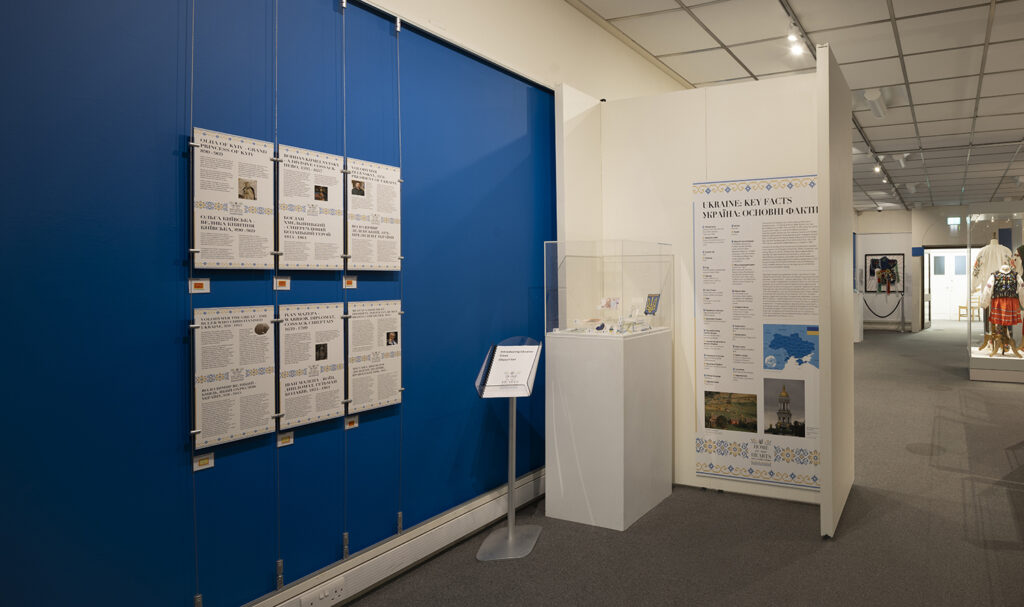
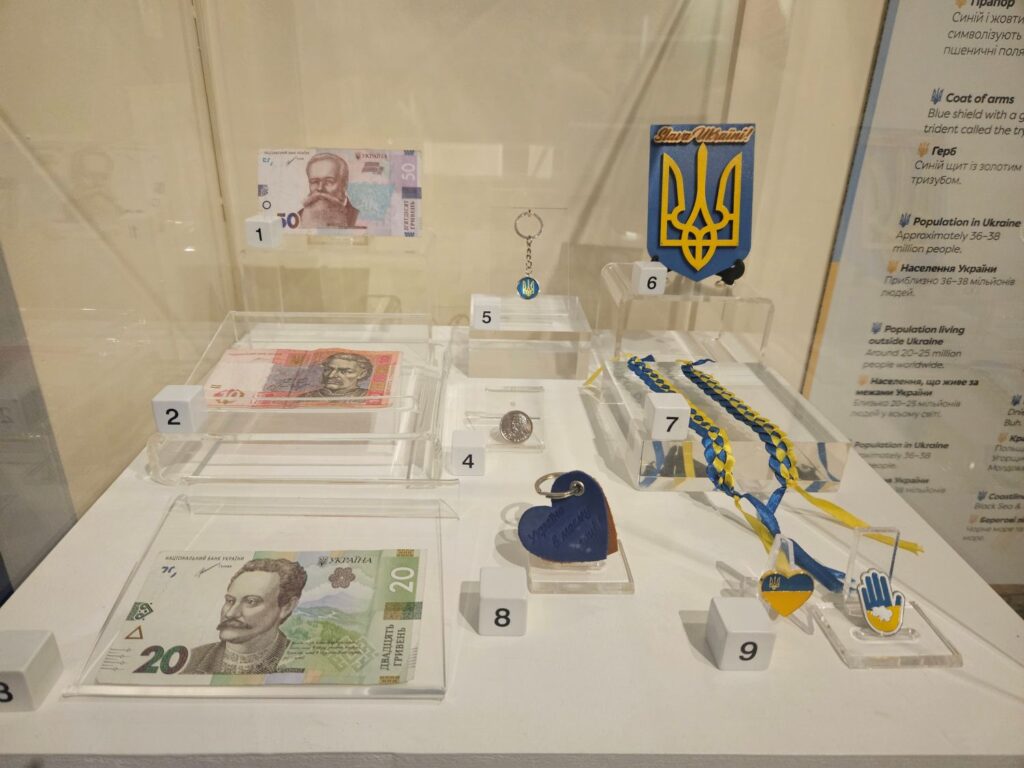
The working group wanted to showcase that Ukraine has a long history, and right to sovereignty. A touch point was created for visitors to familiarise themselves with Ukraine and important figures in Ukraine’s story.
An Introduction to Ukraine
The territory of Ukraine has a history dating back over a thousand years. The first East Slavic state, Kyivan Rus’, was established around 880. From the 14th to 16th centuries, parts of Ukraine were under the rule of the Polish-Lithuanian Commonwealth. By the late 18th century, Ukraine was divided between the Russian Empire and the Austro-Hungarian Empire. After a short period of independence following the First World War, Ukraine became part of the Soviet Union from 1922 until 1991. Ukraine declared independence as a country in 1991.
Ukraine is a country of rich farmland and vast plains. Ukraine’s main religions are Orthodox Christianity, Greek Catholicism, and a long history of Jewish communities. Since independence, Ukraine has been developing its economy, culture, and international connections. Its borders have been shaped by centuries of changing empires and political agreements. In 2014, Russia invaded the Crimean Peninsula, and on 24 February 2022, invaded Ukraine. During the ongoing war, Ukrainians across the world remain strong.
Spotlight on Arts and Crafts
Ukrainian arts and crafts are a rich part of national culture that have preserved identity for centuries. They combine symbolism, practicality and beauty. They often carry ritual and spiritual meaning passed down through generations.
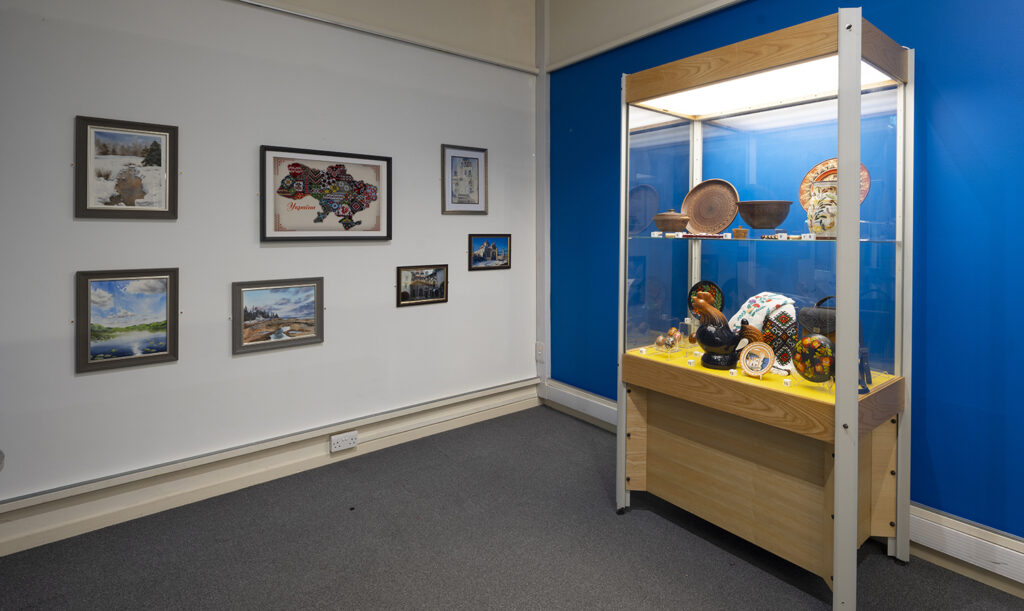
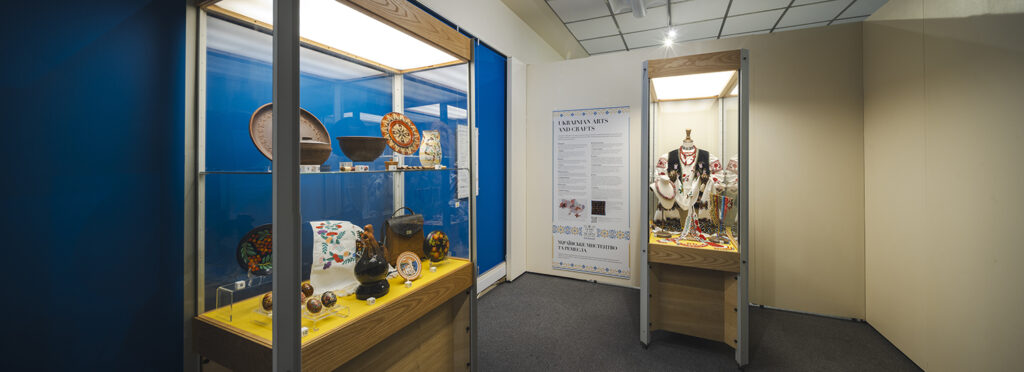
Home in Our Hearts showcases traditional Ukrainian crafts and pieces which have been created by the Ukrainian community. We’ve highlighted a selection below.
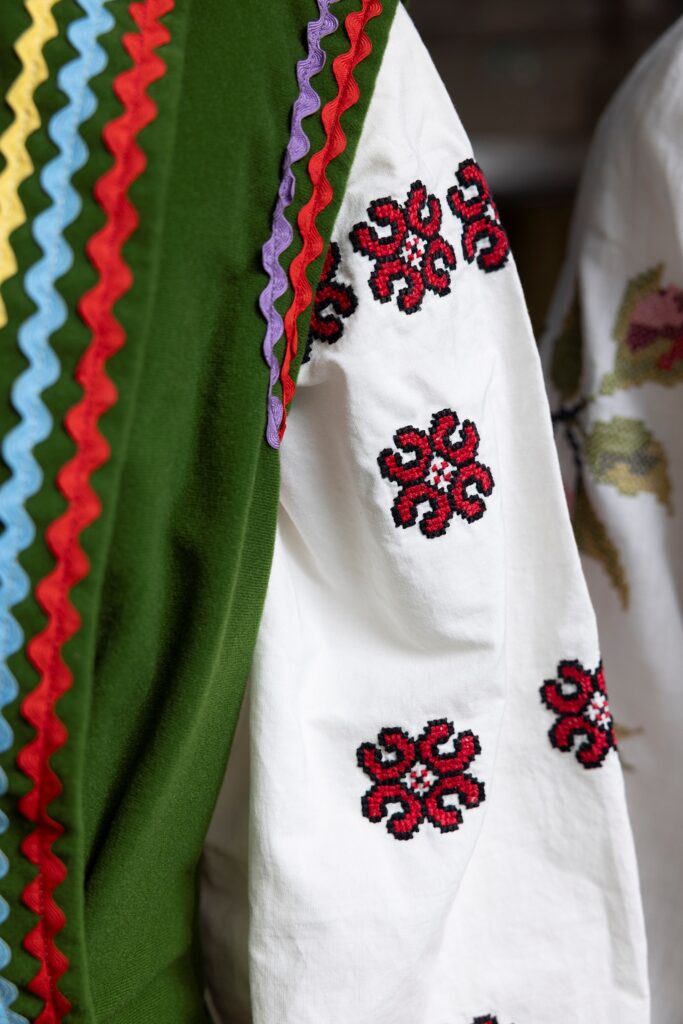
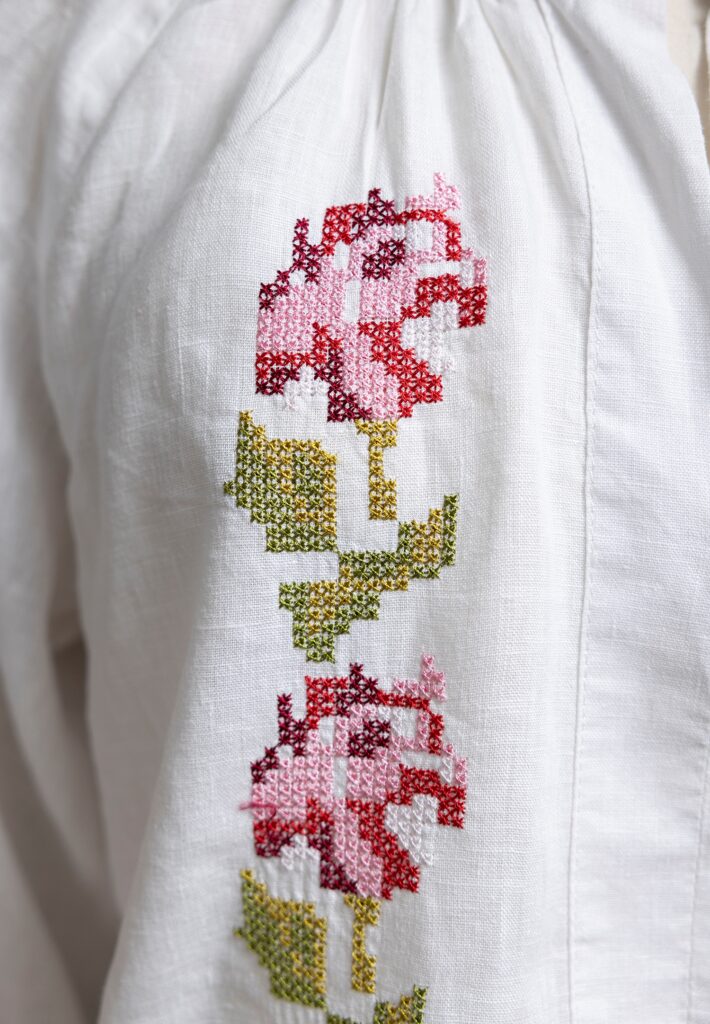
Embroidery
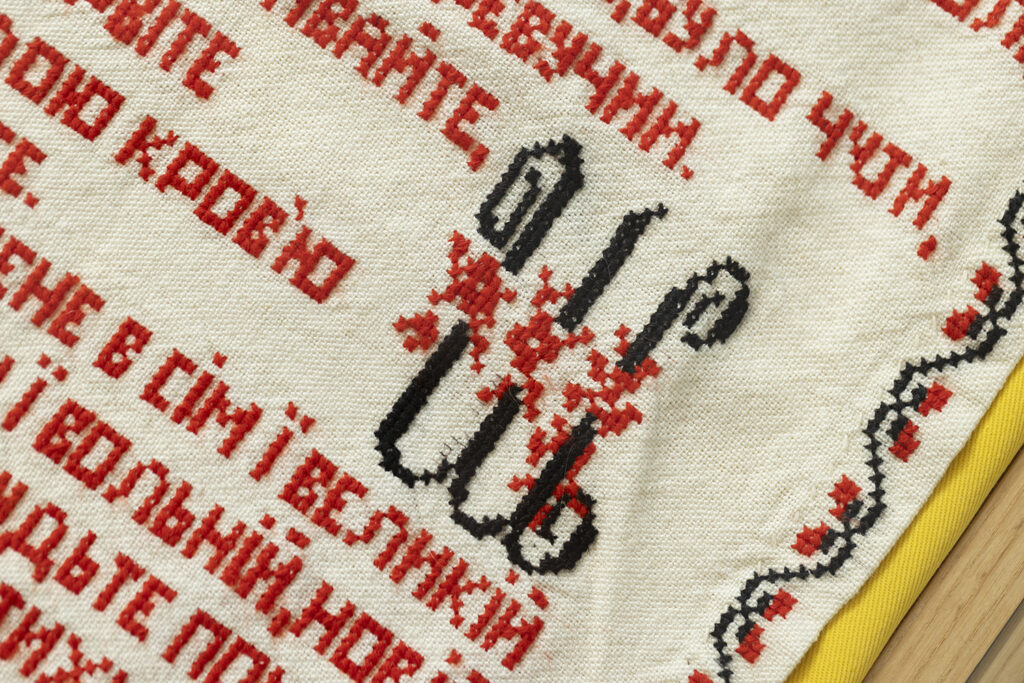
Embroidery is used on clothing, bedding, and ritual cloths known as rushnyk. There are over a hundred techniques, including cross stitch, nyz, and weaving. A well-known style, Reshetylivka, features white thread on white fabric.
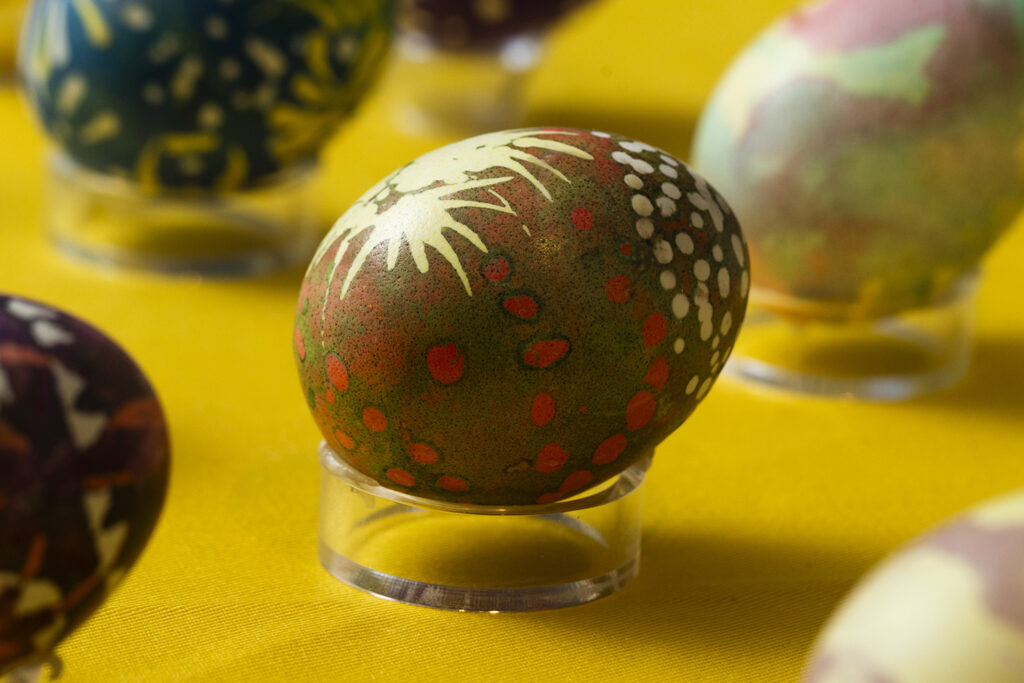
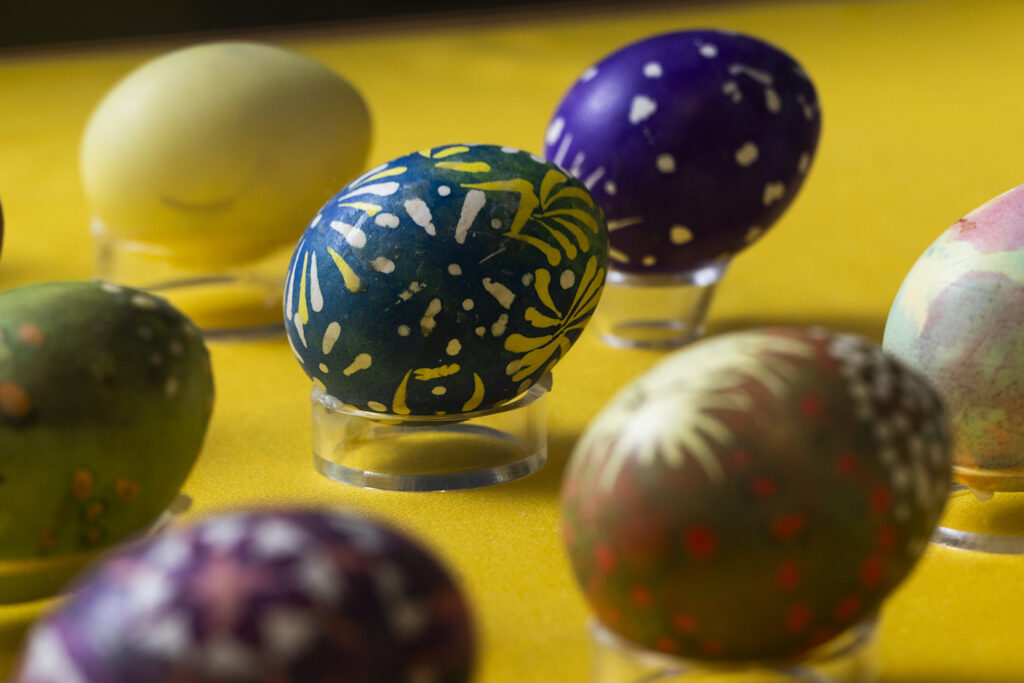
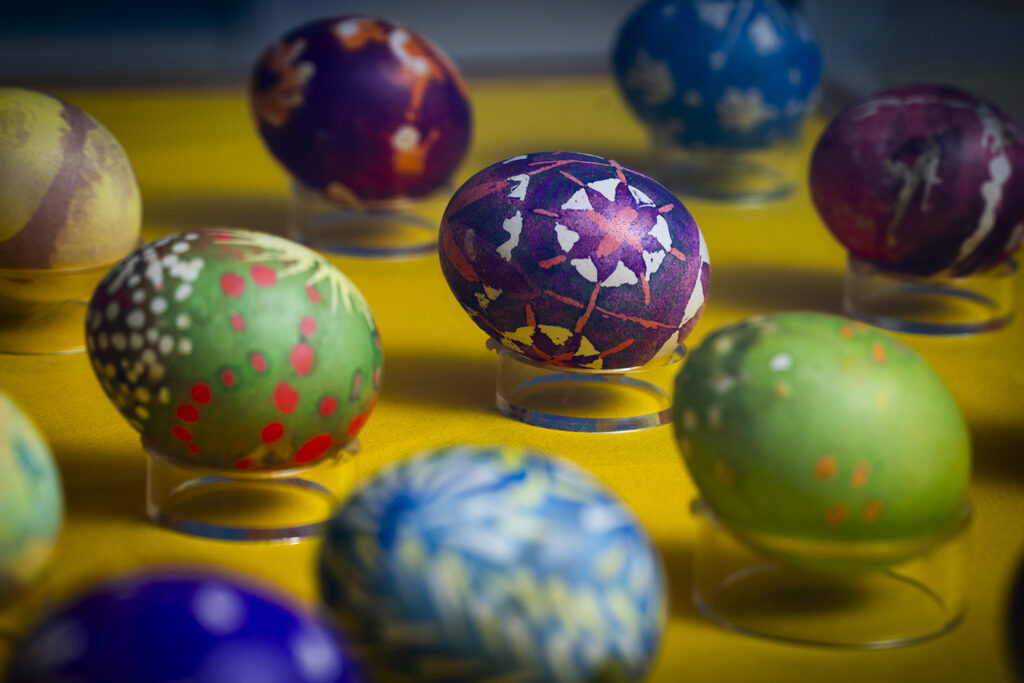
Pysanka
This is the ancient art of decorating Easter eggs with wax and dyes. Designs feature sacred symbols such as the sun, tree of life, and stars. It is one of the world’s oldest art forms.
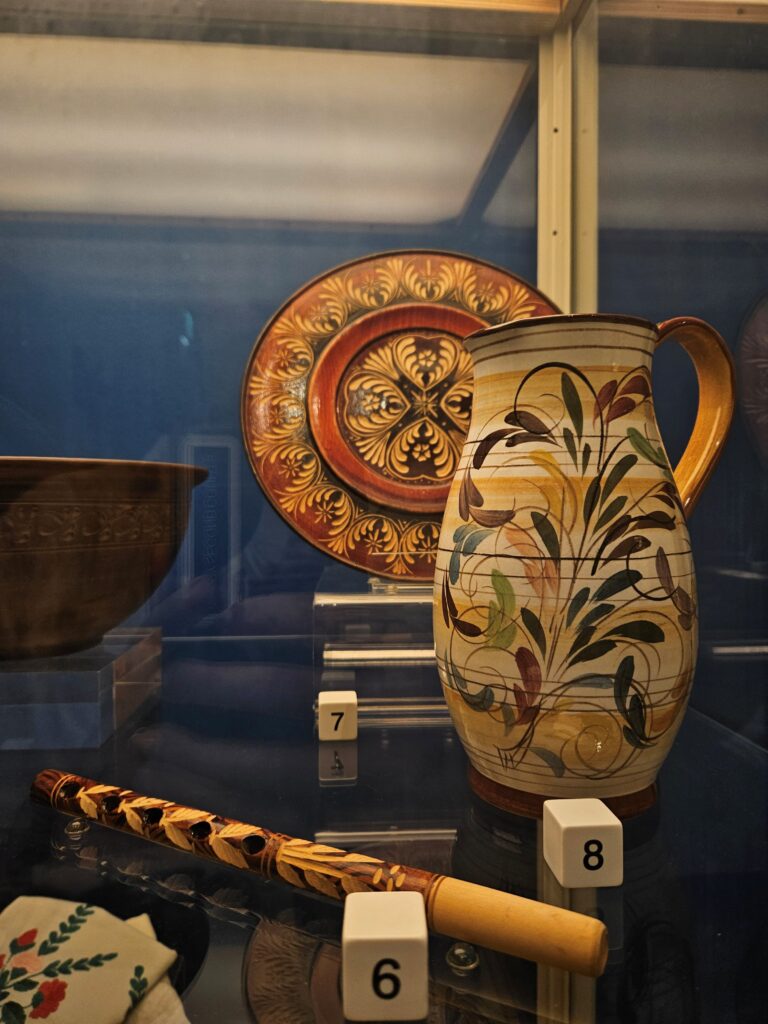
Petrykivka Painting
This bright floral painting style decorates homes, dishes, and furniture. Originating in the Dnipropetrovsk region, Petrykivka was added to UNESCO’s Intangible Cultural Heritage List in 2013.
Wood Carving
The Hutsul region is known for intricate wood carving and inlay work, creating both practical and decorative items. Examples include chests, spoons, crosses and woodwind instruments.
Weaving and Carpets
Handwoven textiles feature colourful floral or geometric patterns made from linen, wool, and hemp. Podil is known for geometric designs, while Poltava features vivid florals.
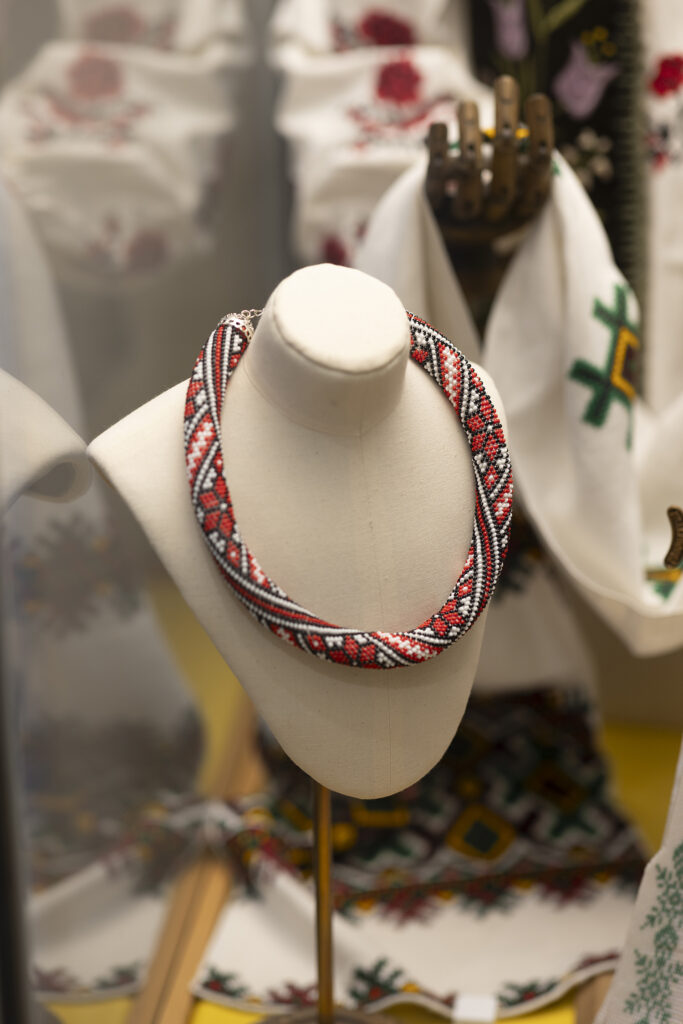
Jewellery
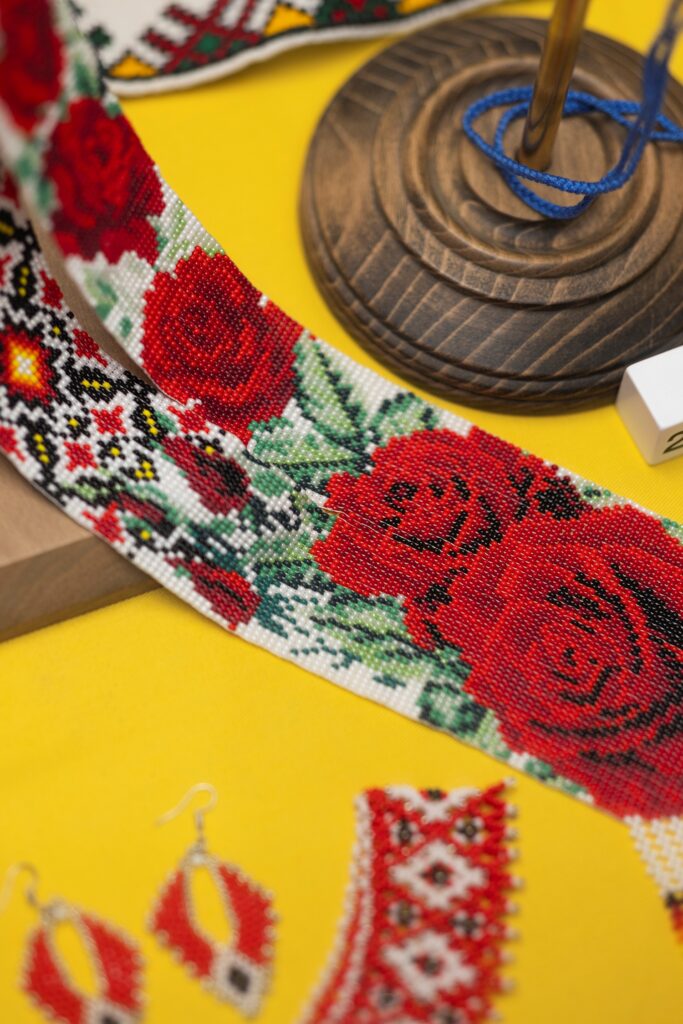
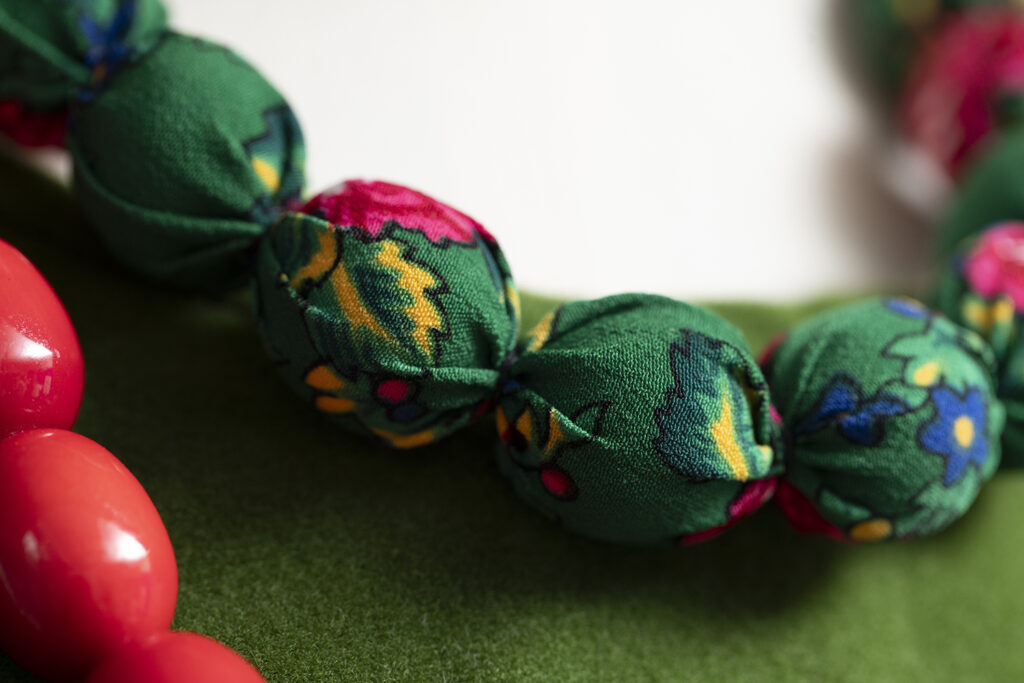
Traditional Ukrainian jewellery is often made from coral or glass beads, threaded and weaved in intricate patterns. There are many different styles and techniques. Sylyanka necklaces often sit at the collar. Gerdan are more substantial pieces which fall down the body. Choker Dukach medallions are worn by women.
Pottery
Pottery has ancient roots in Ukraine, with main centres in Opishnia, Kosiv and Sokal. Traditional ceramics include glazed tableware, tiles and whistles. In 2019, painted ceramics from Kosiv were included in the UNESCO Intangible Cultural Heritage List.
Contemporary Ukrainian Art
There are many Ukrainians in North Lincolnshire who practice arts and crafts. In the Home in Our Hearts exhibition, we have had the pleasure of displaying their work.
“I had the joy of seeing the Home in Our Hearts exhibition open and sharing my photographic works. It was a wonderful opportunity to express my vision through photography.”
Iryna Buchynska, Photographer
Liliana Relich
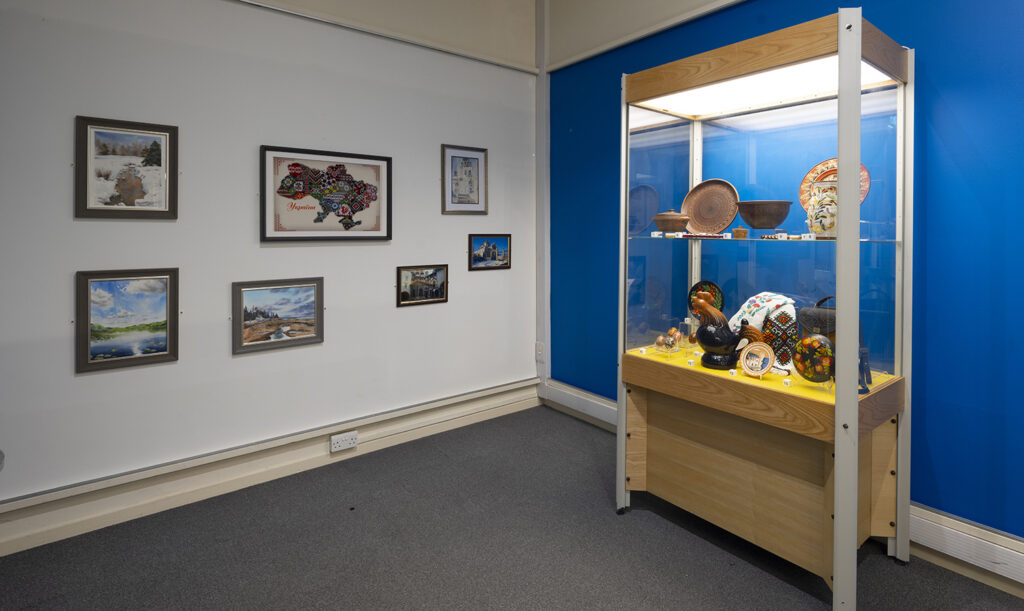
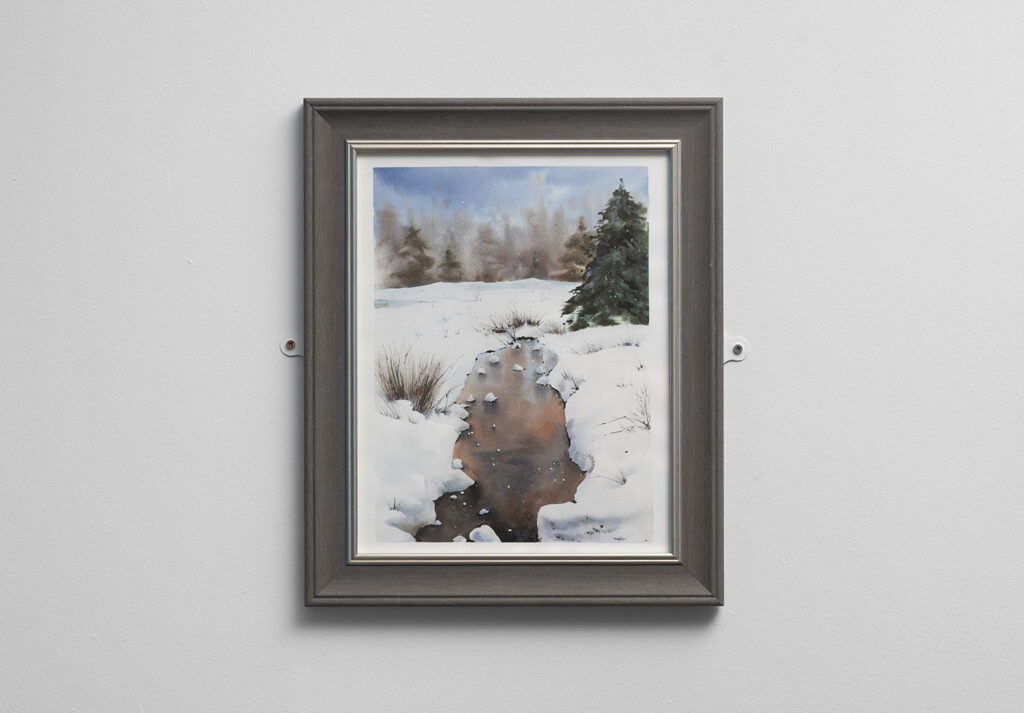
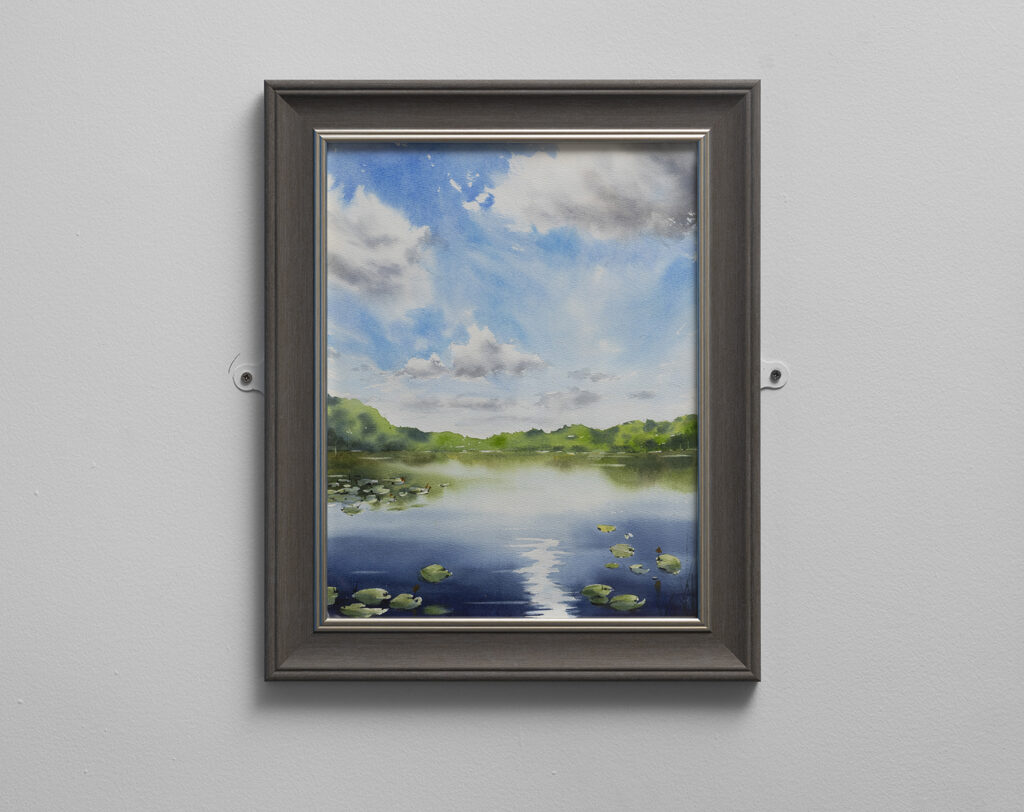
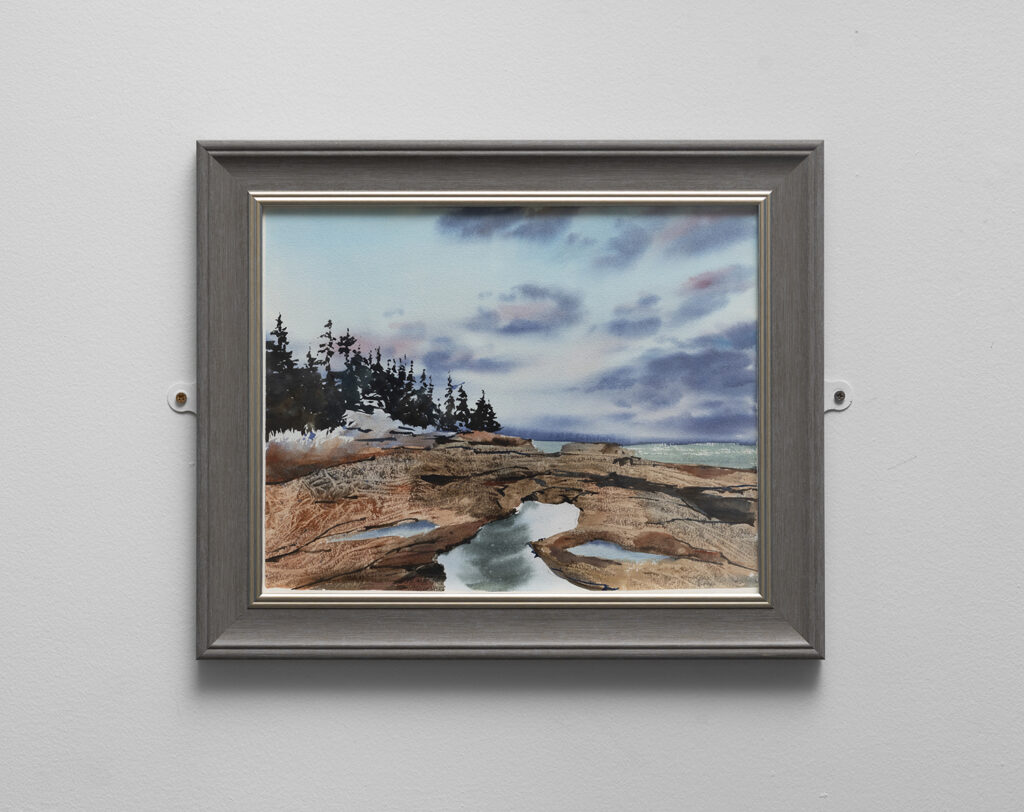
Liliana Relich is a watercolour artist now residing in North Lincolnshire. Her work focuses on the Ukrainian landscape and captures the stunning natural beauty of Ukraine.
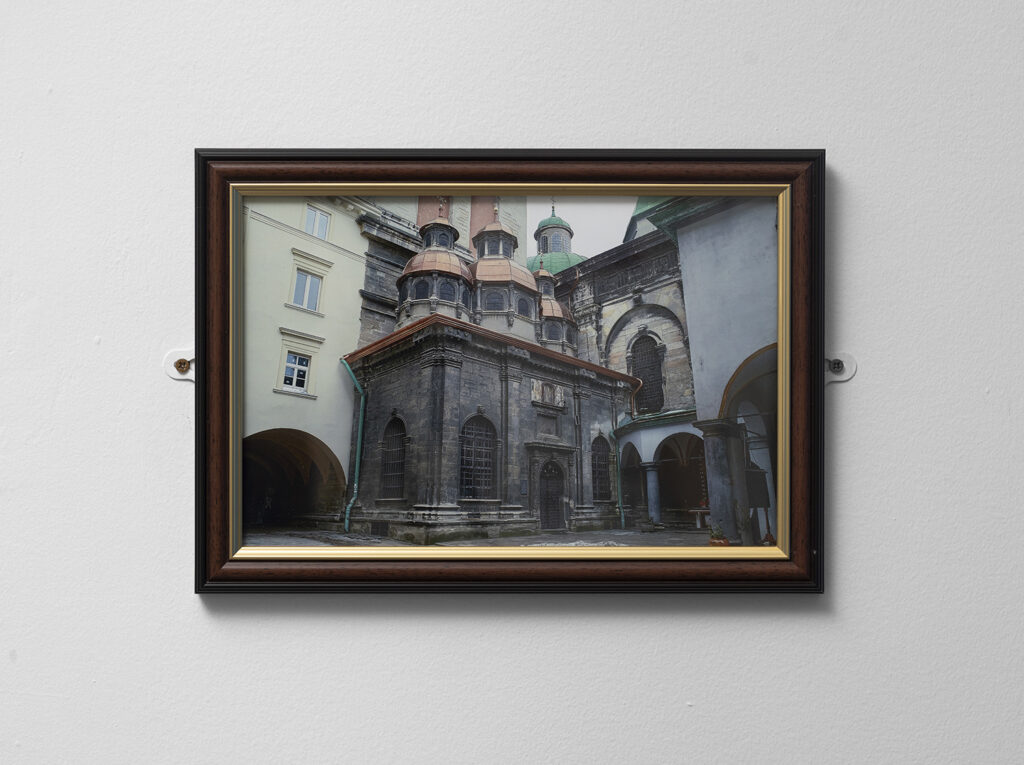
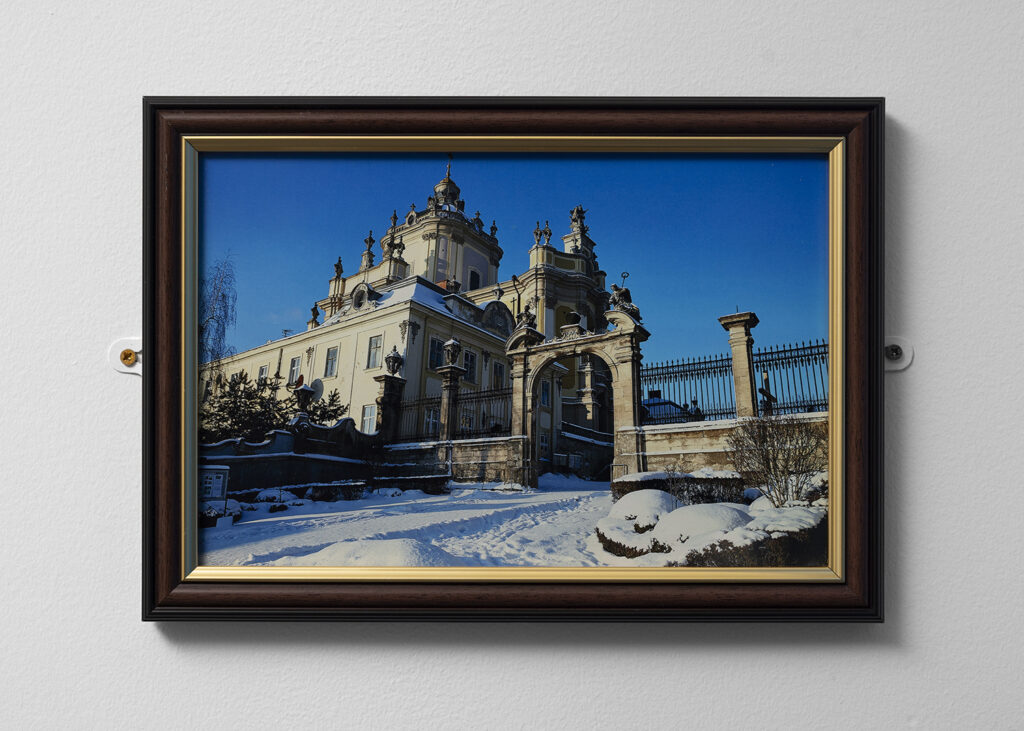
Iryna Buchynska
Iryna Buchynska is a photographer, who now lives in North Lincolnshire. Her work on display in the Home in Our Hearts exhibition was part of her body of work for her Masters degree. It looks at historical locations used for filming in Lviv.
Hala Mckee
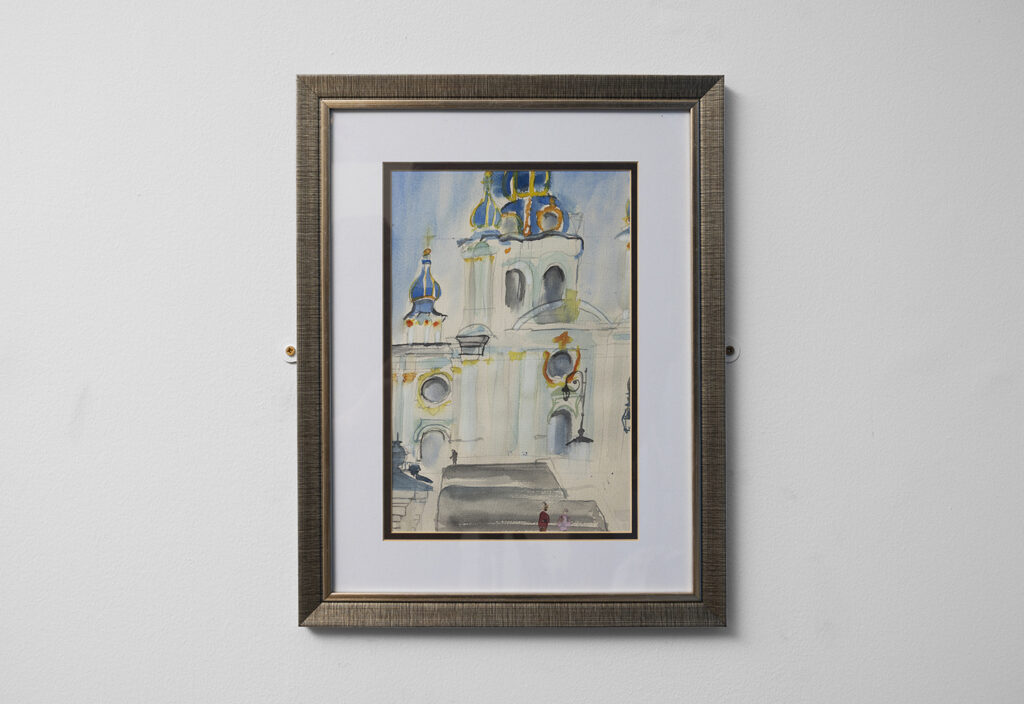
Hala’s father came to live in the UK after the Second World War. Here she has used watercolour paint to depict St. Sofia Cathedral in Kyiv, one of Ukraine’s most recognisable landmarks.
Ukrainian Kids Club
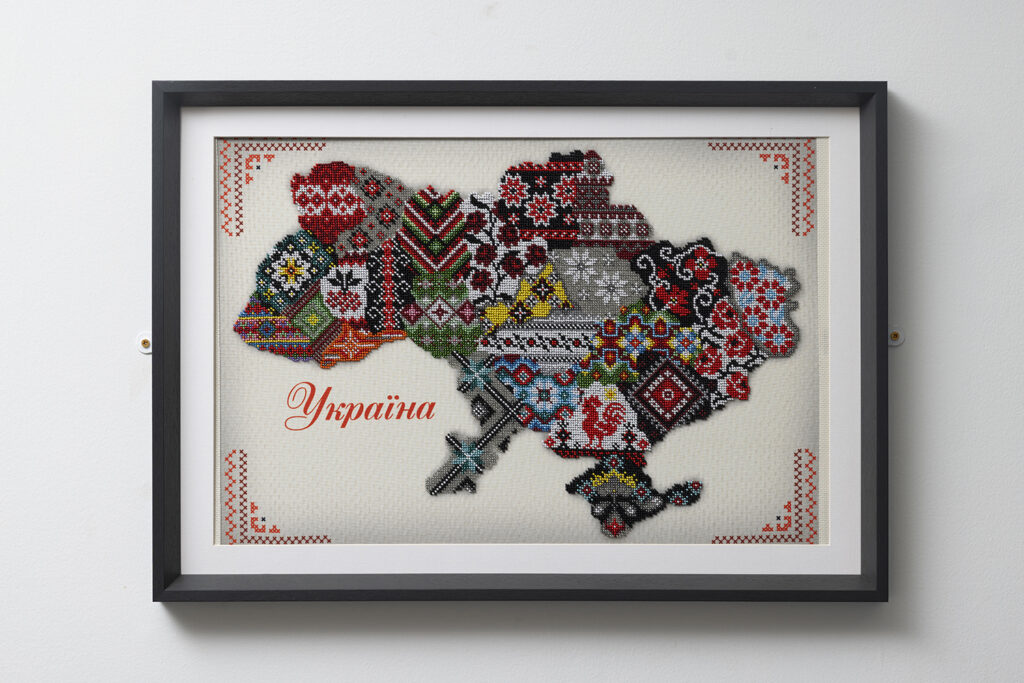
The children of the Ukrainian kids club worked together with their parents to produce this handmade beadwork map of Ukraine. The map shows what colours and styles of beadwork represent different oblasts of Ukraine.
Sofiia Tsviatkova
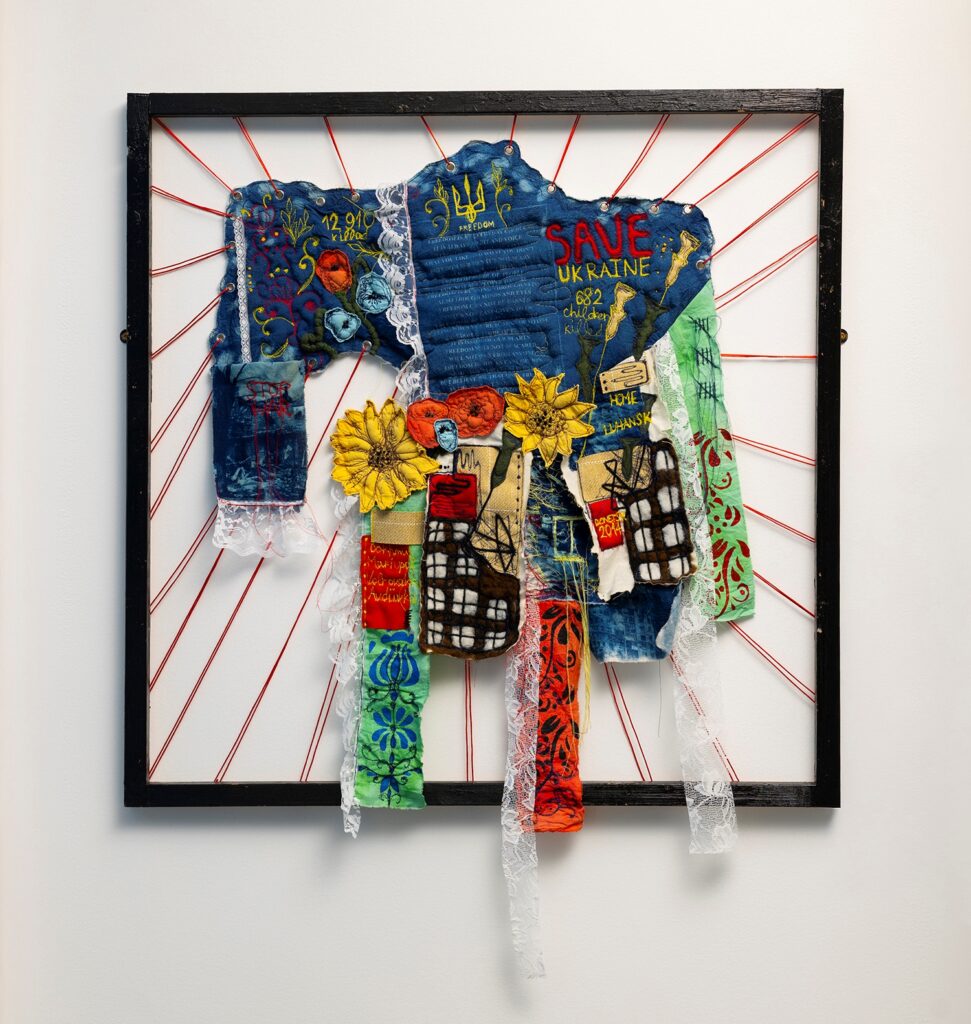
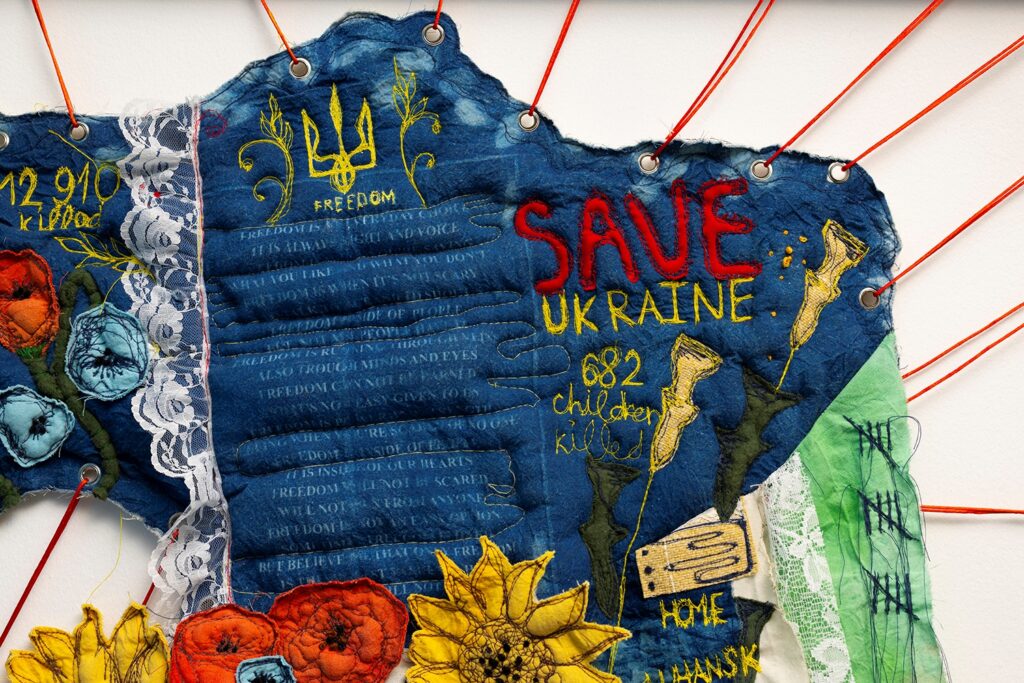
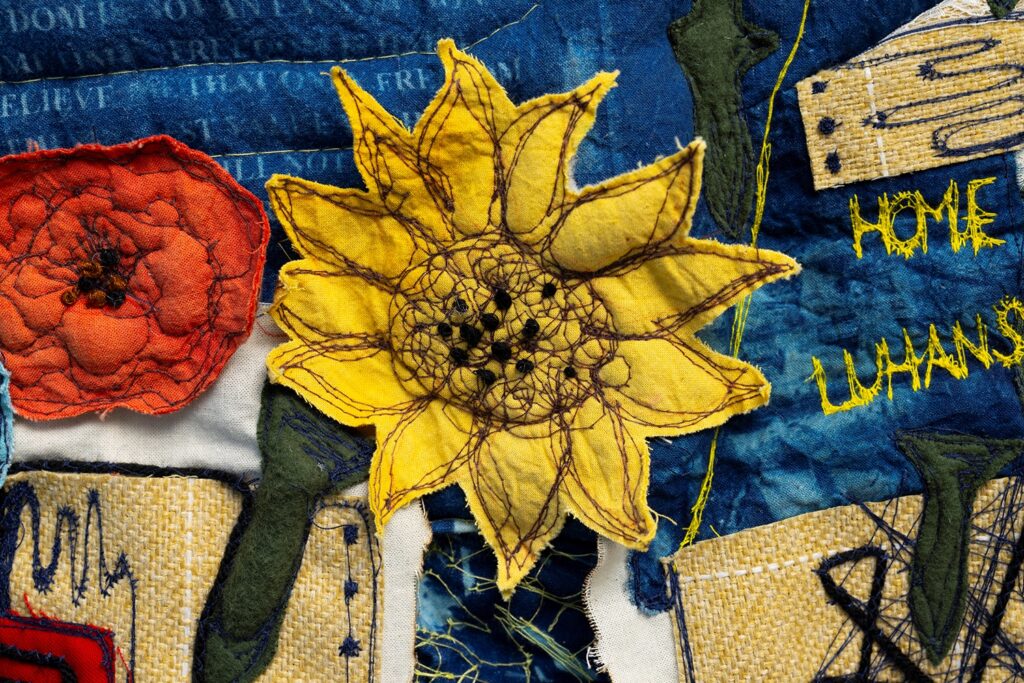
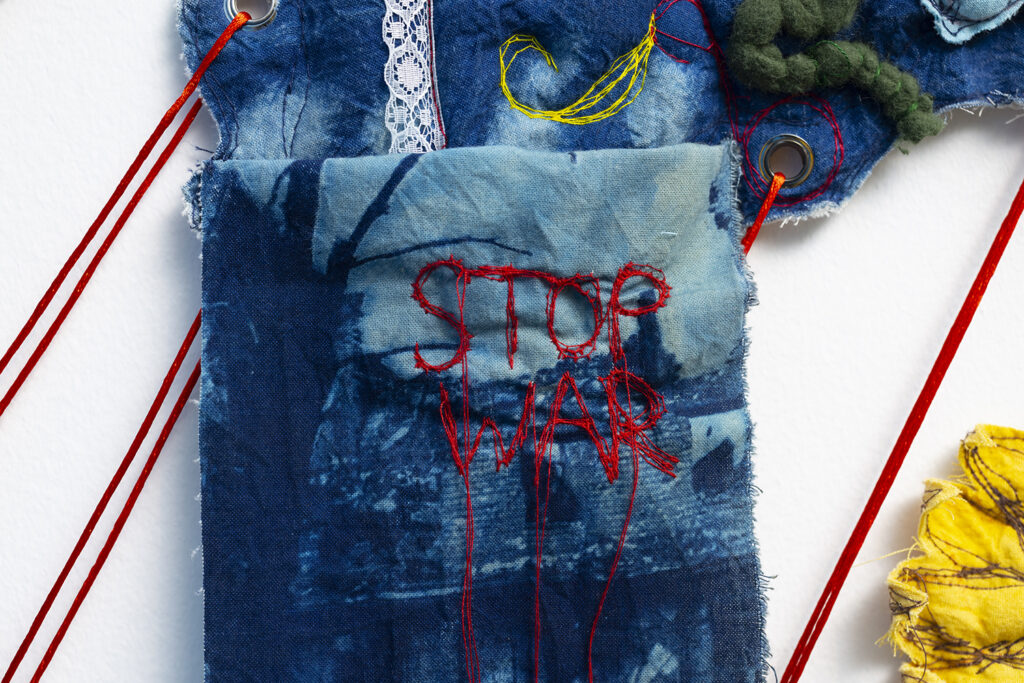
Sofiia and her mother fled the Donetsk region when she was a child. They came to live in North Lincolnshire and Sofiia attended a local college, studying art. She works in fabric and her textile wall hanging ‘Freedom’, displays many different techniques. ‘Freedom’ tells the story of her experience of war since she was 8 years old. Sofiia is now studying for her undergraduate degree at University of the Arts London.
Making with the Museum Makers
Museum Makers is a regular group at North Lincolnshire Museum for adults with additional needs. The group worked with Ukrainian artist Mariia Moiseienko to produce artwork inspired by Ukrainian practices. We adapted a papercutting artform, Vytynanky, to be a lino print activity. The Museum Makers designed their family trees and life stories, and learnt about symbolism in Ukrainian art.
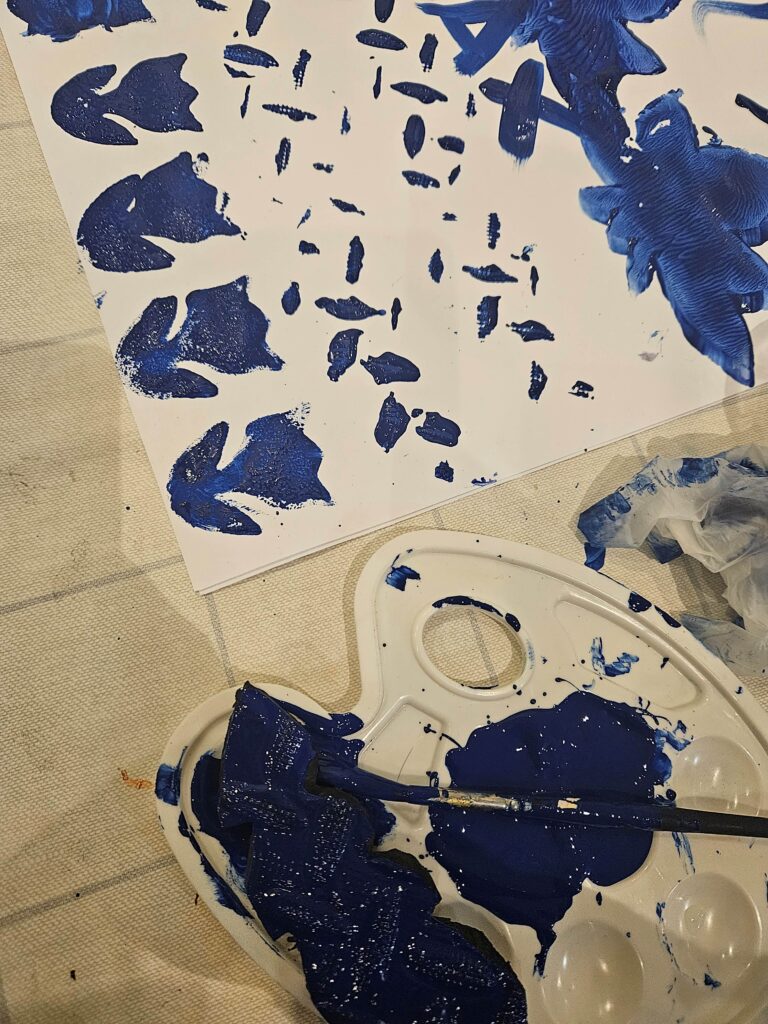
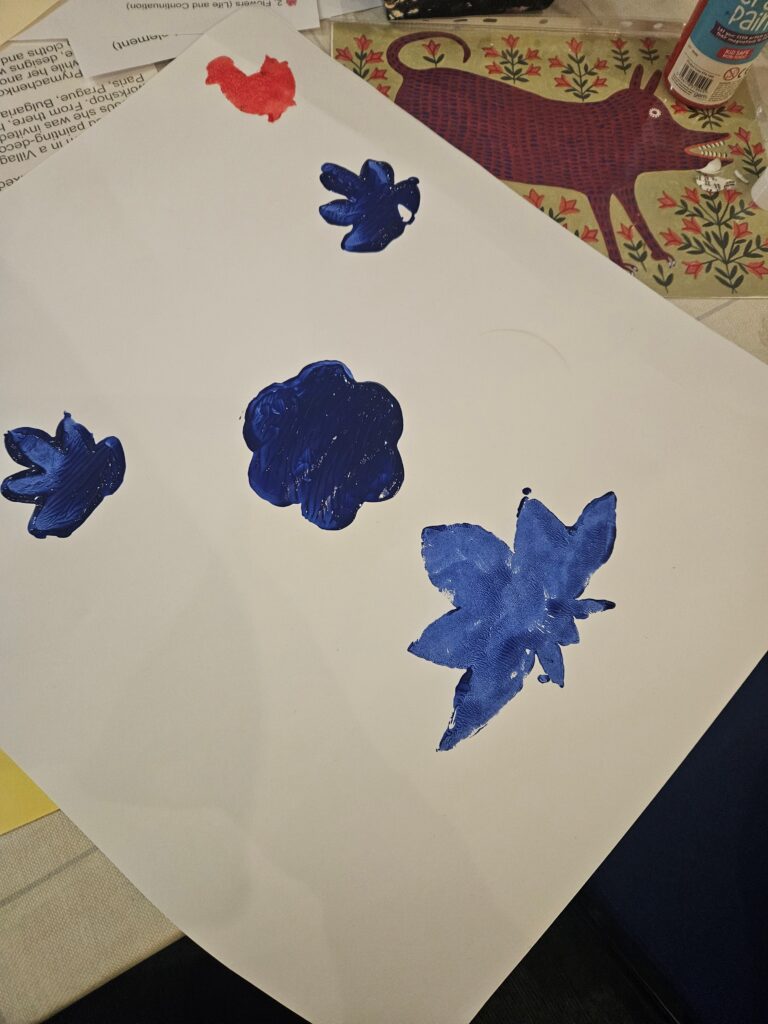
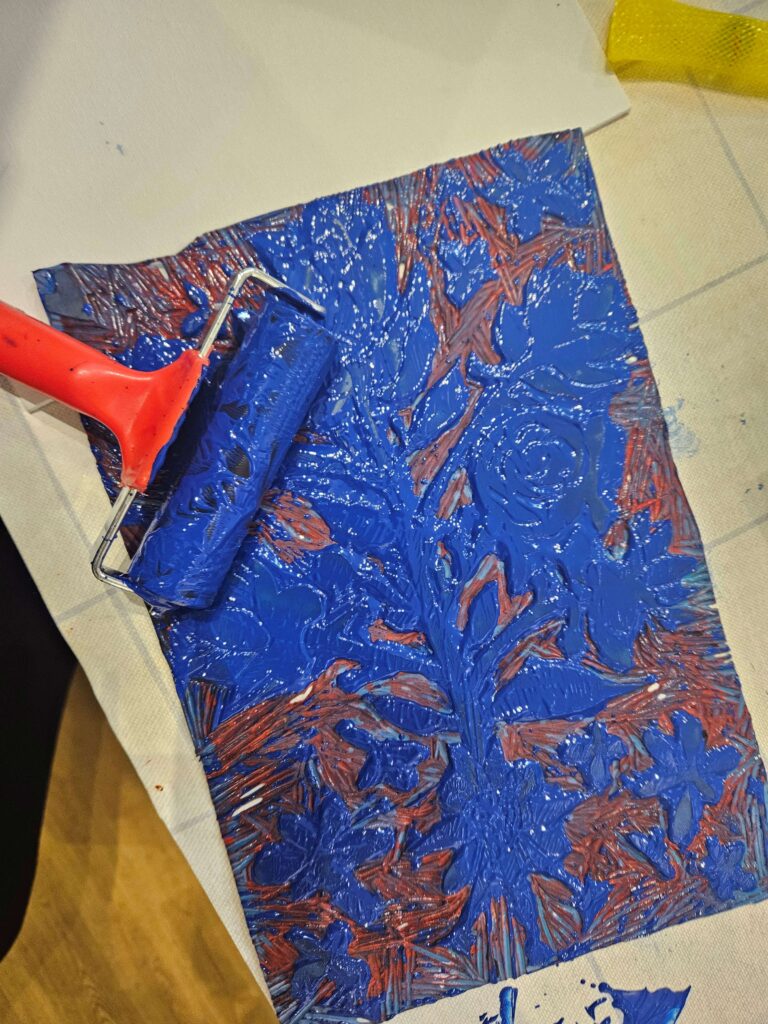
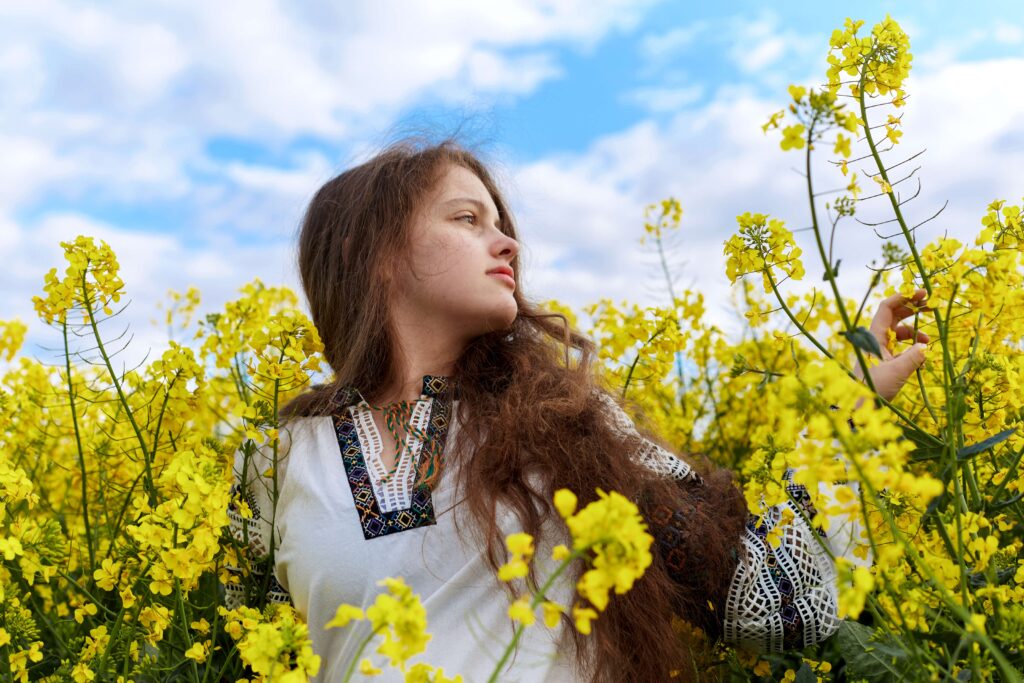
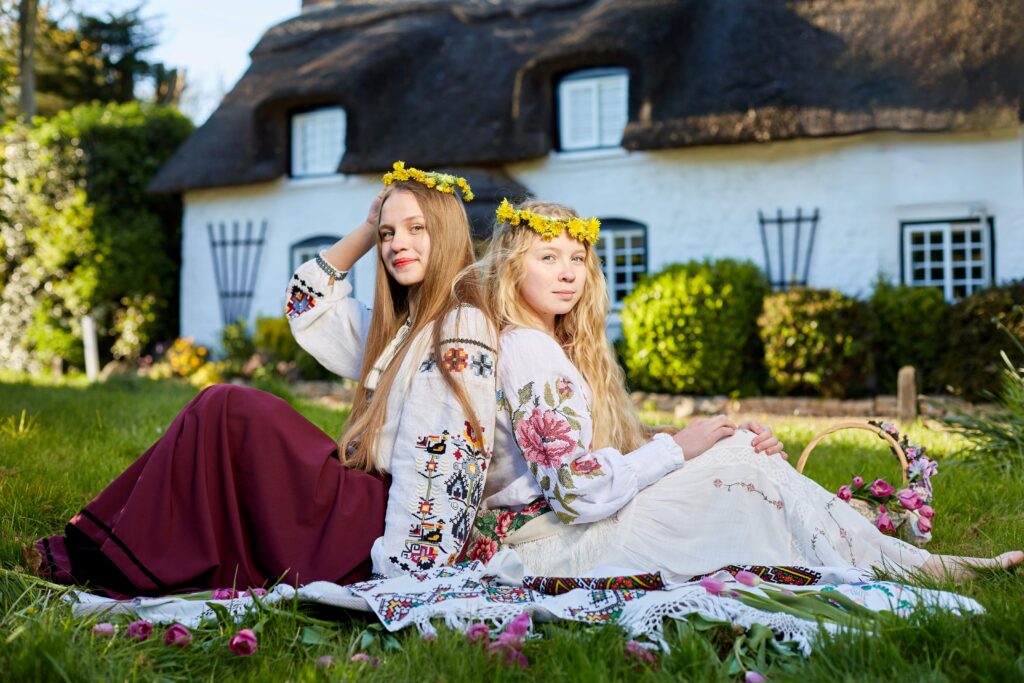
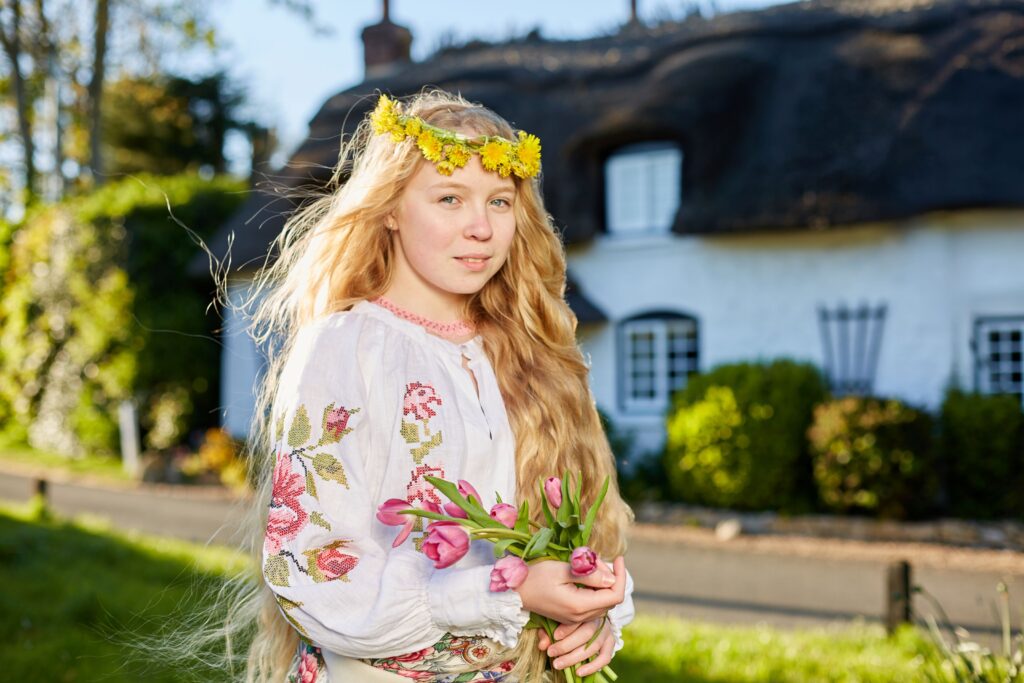
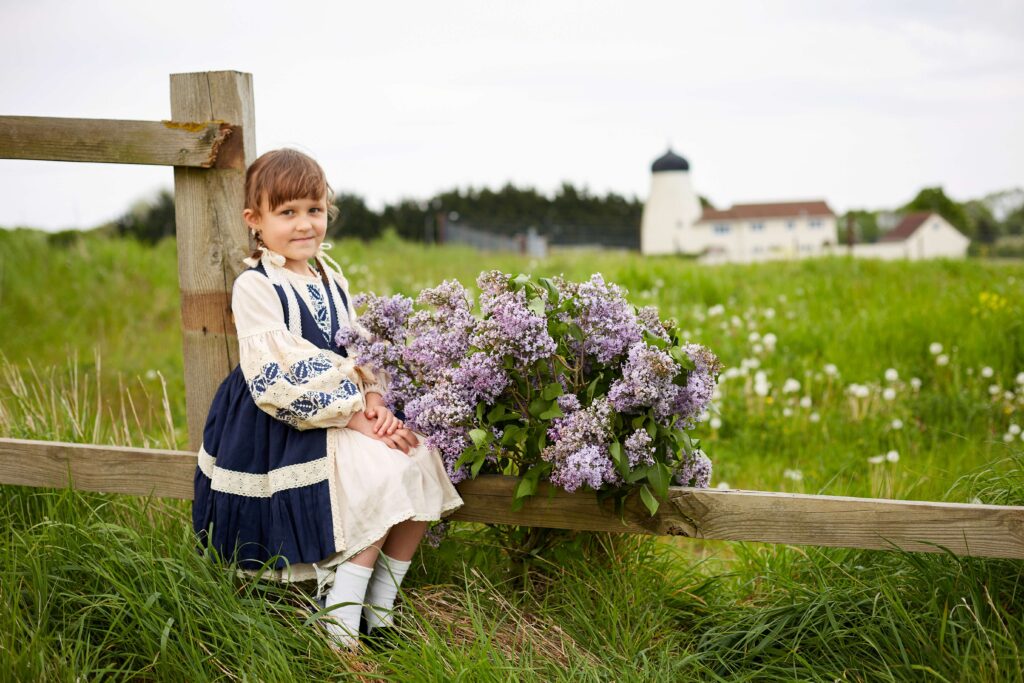
Home we Carry – Iryna Buchnyska
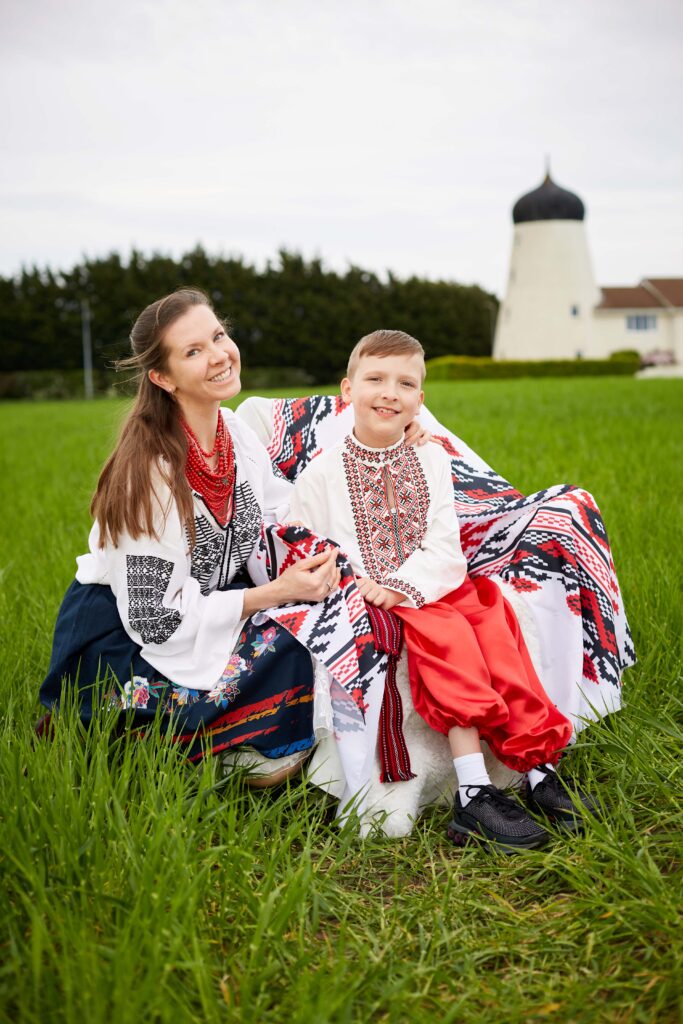
Photographer Iryna Buchnyska found inspiration in the landscape of North Lincolnshire. The farm buildings and agricultural setting of the North Lincolnshire summoned to mind parts of the Ukrainian countryside. She used this as inspiration for a new photography project. Iryna photographed children and parents from the Ukrainian Saturday school, in traditional clothing.
“A series of portraits capturing the quiet strength of Ukrainians building a life on new soil while holding their roots close to the heart. Home is not a place we left; it is the soul we carry with us.”
Iryna Buchnyska, Photographer
The Fabric of Ukraine
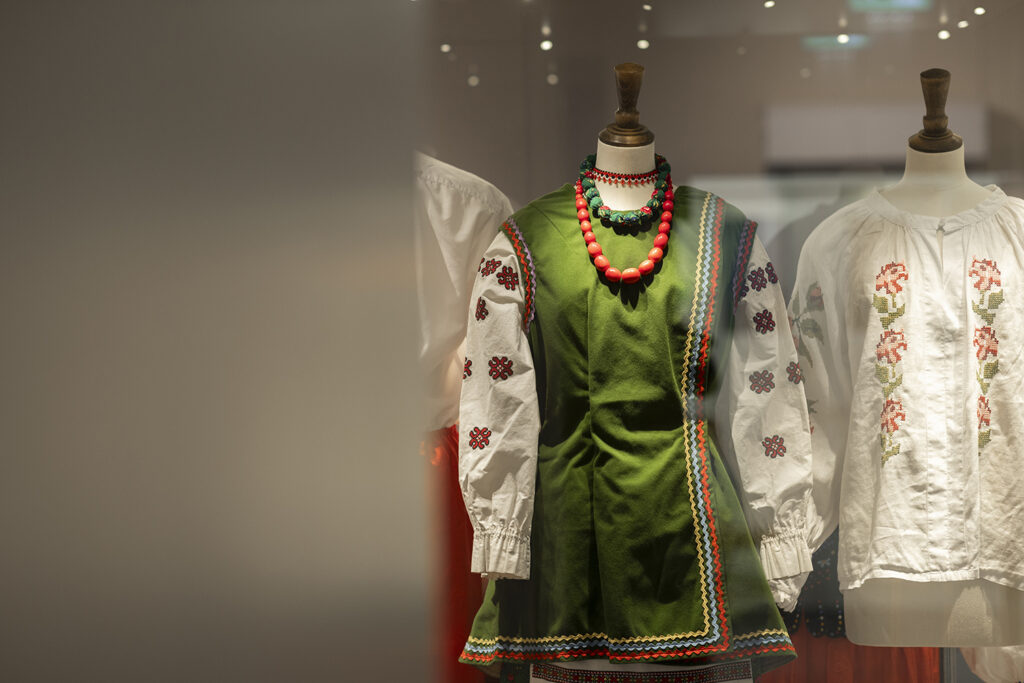
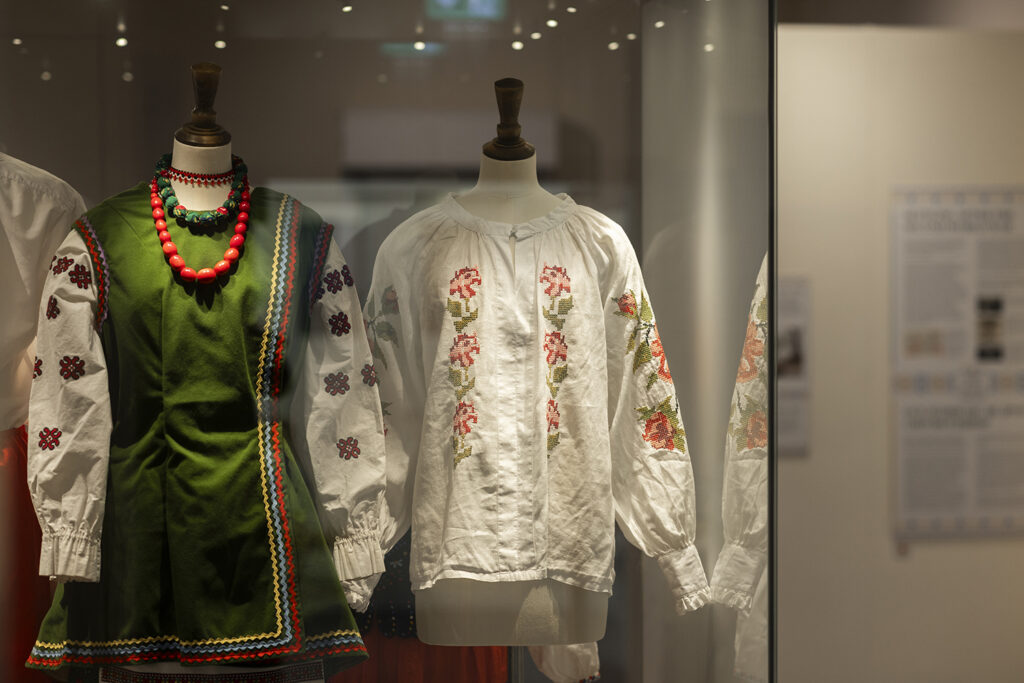
Traditional dress is a key part of Ukrainian identity. As part of the Home in our Hearts exhibition, we had the privilege of displaying handmade clothing with deeply personal stories, some which had travelled across borders to keep them safe and preserve their stories.
Traditional Clothing
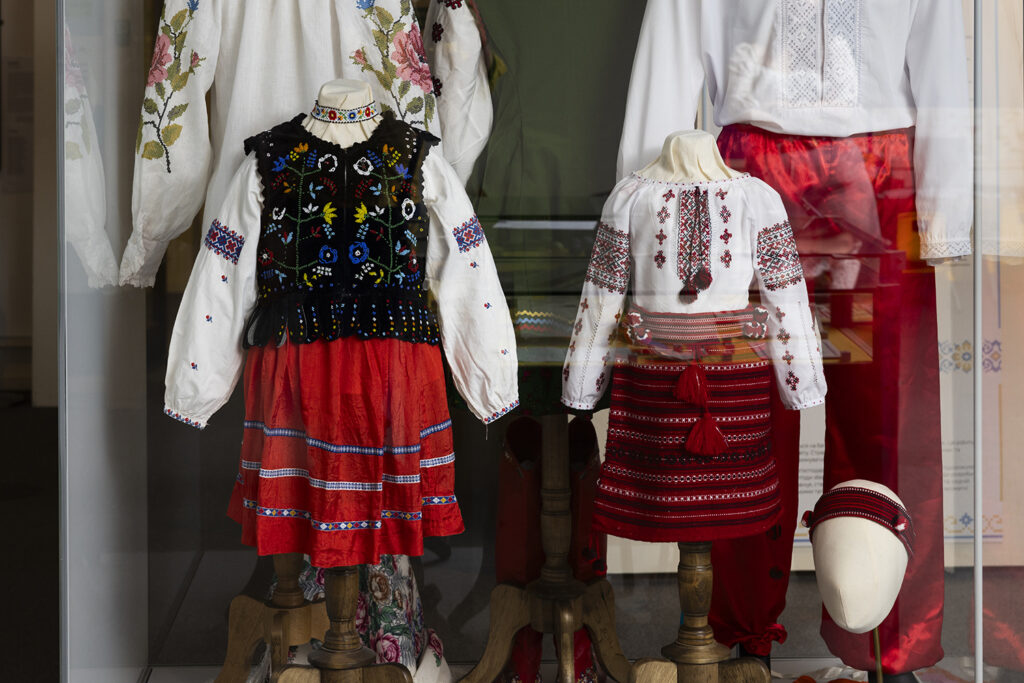
The vyshyvankashirt is the most recognisable garment in Ukrainian traditional dress. The embroidered cotton or linen shirts are worn by men, women and children. They are said to protect the wearer. The embroidery serves a function as well as being decorative. The patterns, symbols and colours represent the wearer’s home region and can vary from village to village. The embroiderer should have positive intentions while creating the shirt to infuse it with protection and good will. The most common colours used are red, white and black. Green, blue and yellow are also used.
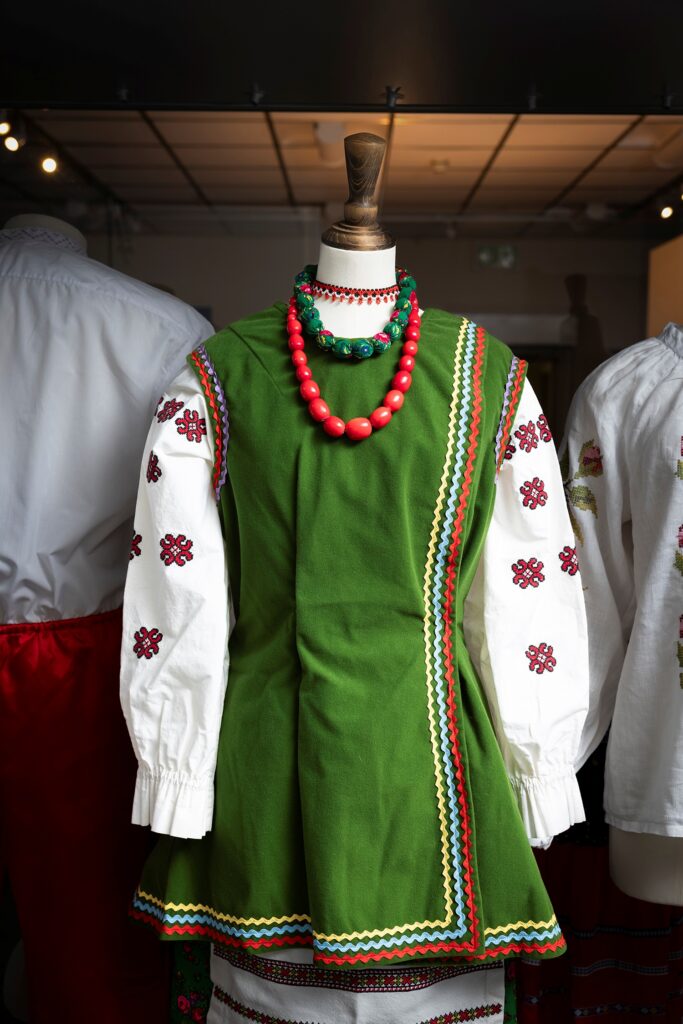
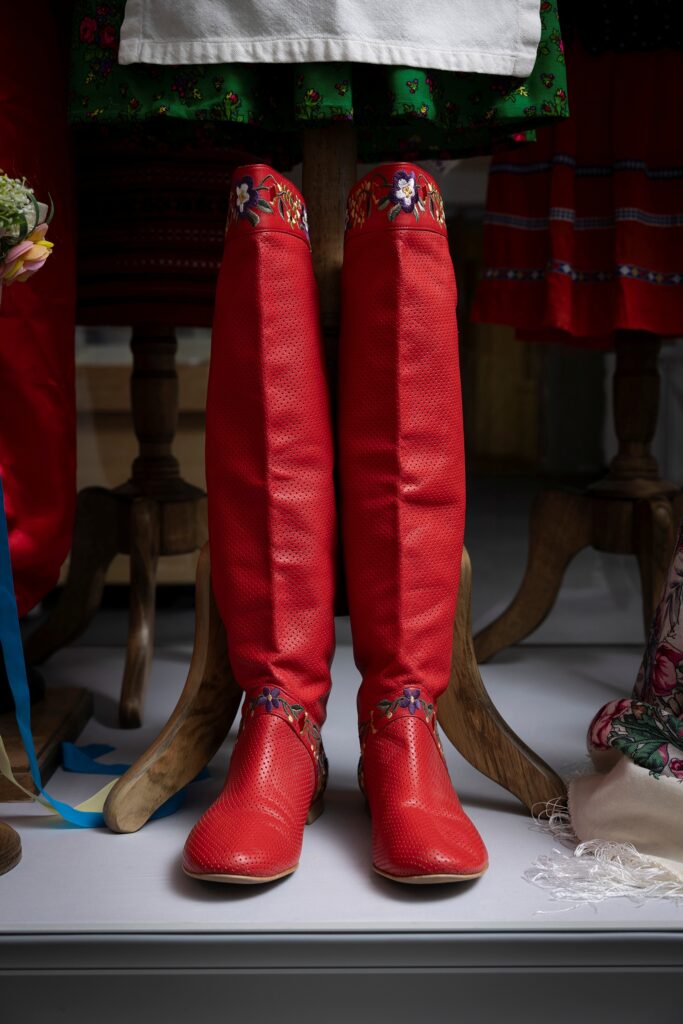
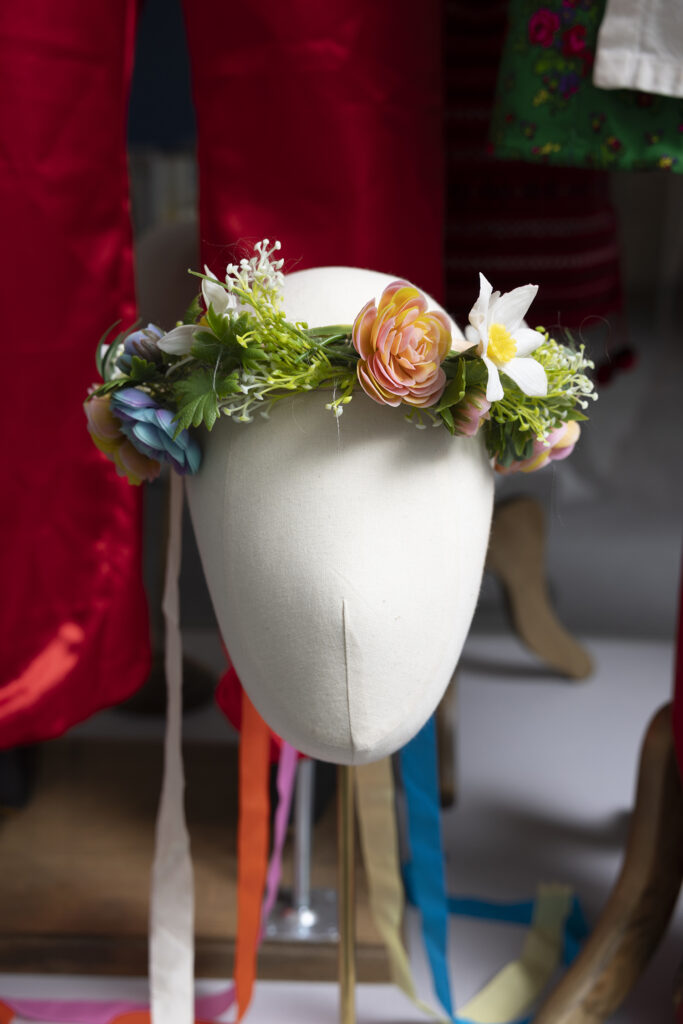
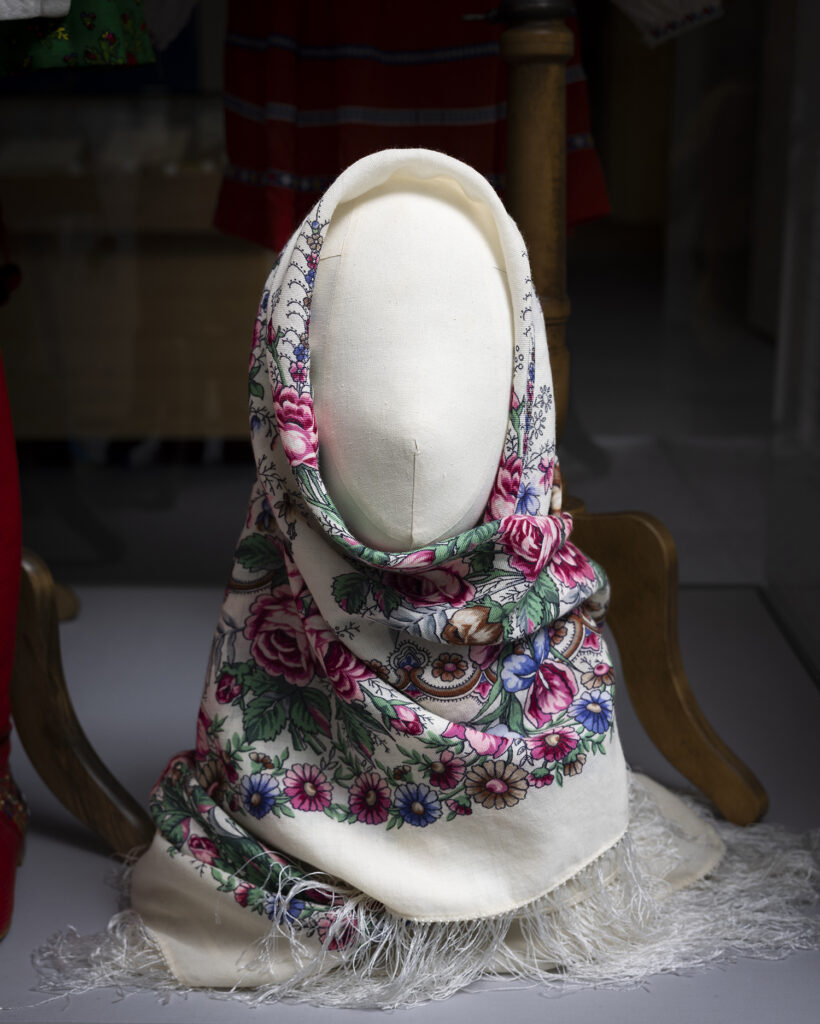
Traditionally, men wore vyshyvanka with sharovary, loose fitting cossack trousers and a kushak belt. Women and girls wore a plakhta skirt and layered their vyshyvanka under with korsteka vests. In modern times it is common to see a more relaxed styling.
Vyshyvanka are an important part of national identity and unity, being worn by Ukrainians all over the world. Vyshyvankas are worn at special events, including weddings, Easter and Ukrainian Independence Day (24August).
Religion and Festivals
The main religion in Ukraine is Eastern Orthodox Christianity. The country has a long history of Jewish communities and long interaction with Islam through the Ottoman Empire. Many practises in Ukrainian culture are thought to have ties back to pre-Christian beliefs. Celebrating religious and calendar events were often supressed under the Soviet Union.
Motanka Dolls
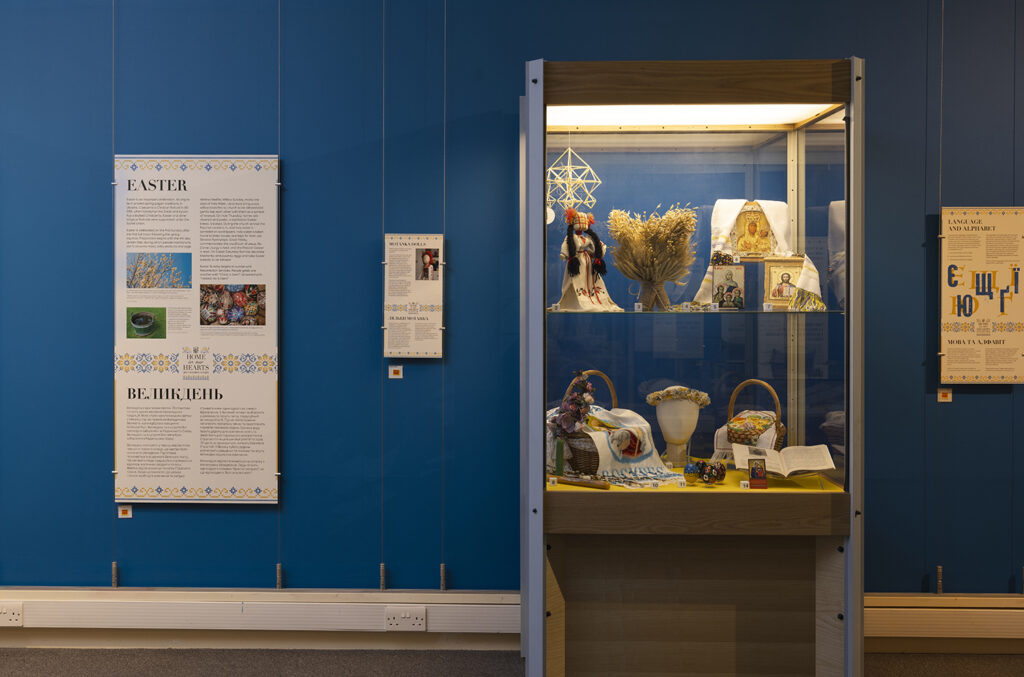
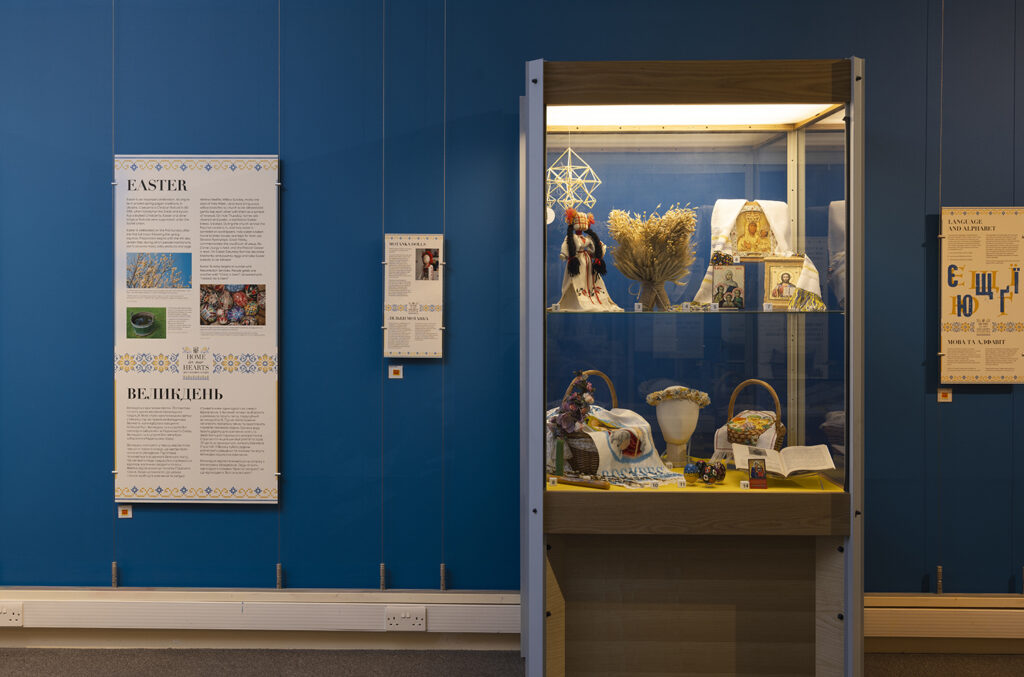
Motanka dolls are talismans thought to originate from ancient Slavic traditions.
The name comes from the root word motaty which means ‘to spin’. They are traditionally handmade by women from scraps of cloth tied together or lengths of thread. Motankas are wrapped, as it is believed that cutting or piercing the doll hurts the positive energy being imparted upon it by their makers. The dolls have no facial features. Instead, they have crossed threads on their faces. Giving the object facial features is thought to invite a spirit to inhabit the doll.
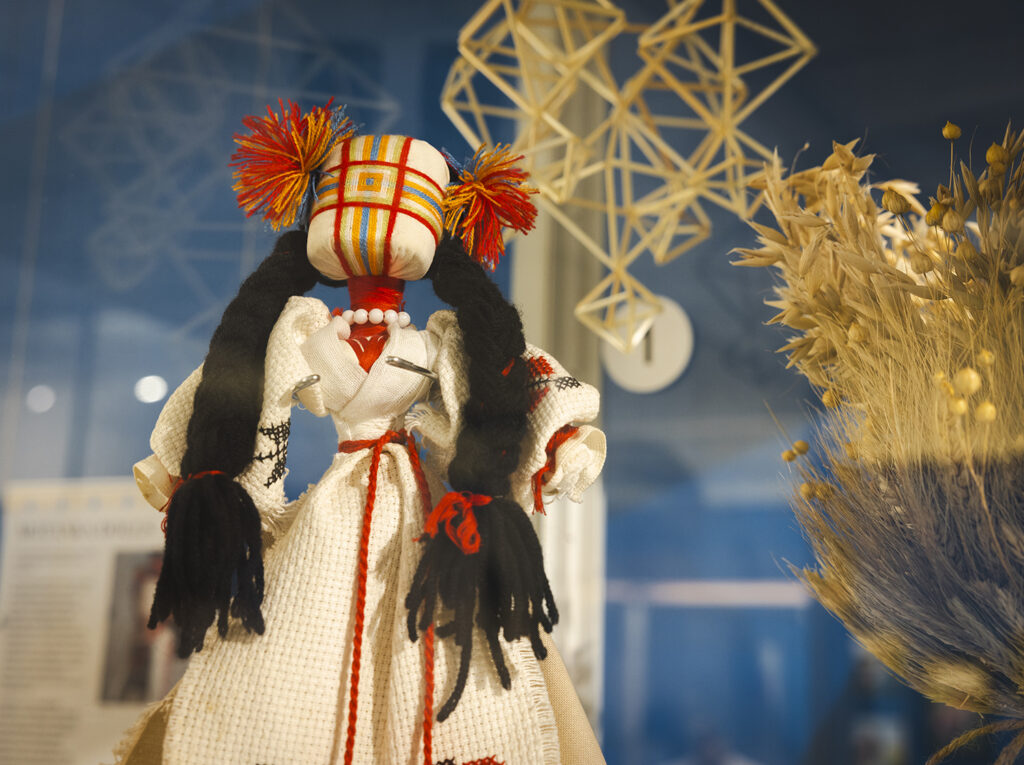
Motankas act as household guardians, watching over the family. It is common to make a motanka for rites of passage such as marriage or parenthood. The pocket-sized podorozhnytsya are carried by travellers to ensure safe return. The ten-handed Desyatyruchka is said to help mothers complete all the household work for their families.
Easter
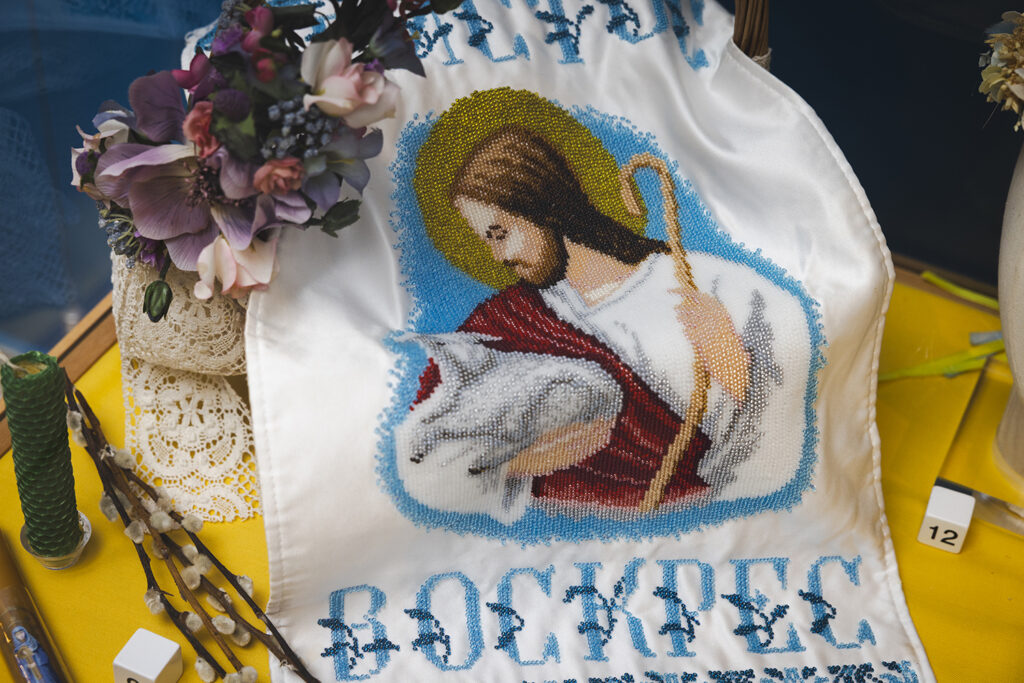
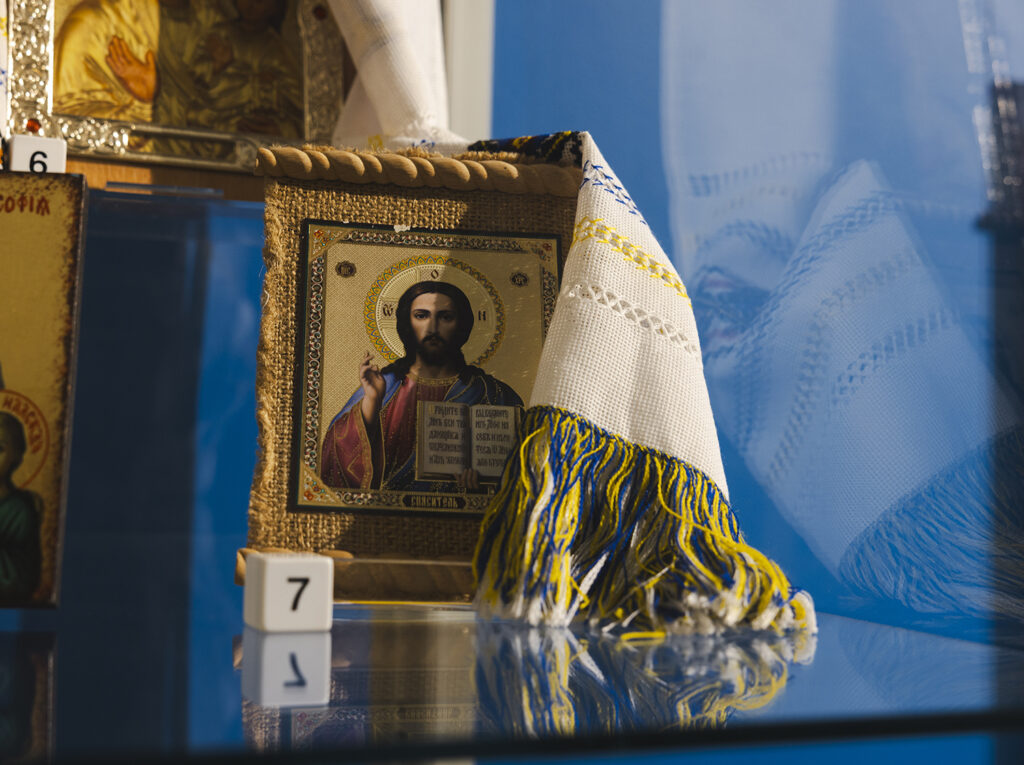
Easter is an important celebration. Its origins lie in ancient spring pagan traditions. In Ukraine, it became a Christian festival in AD 988, when Volodymyr the Great and Kyivan Rus adopted Christianity. Easter and other religious festivals were suppressed under the Soviet Union.
Easter is celebrated on the first Sunday after the first full moon following the spring equinox. Preparation begins with the 40-day Lenten fast, during which people traditionally don’t consume meat, dairy products and eggs.
Verbna Nedilia, Willow Sunday, marks the start of Holy Week. Ukrainians bring pussy willow branches to church to be blessed and gently tap each other with them as a symbol of renewal. On Holy Thursday, homes are cleaned and paska, a traditional Easter bread, is baked. During the church service the Paschal candle is lit, and holy water is sprinkled on worshippers. Holy water is taken home to bless houses and kept for later use. Strasna Pyatnytsya, Good Friday, commemorates the crucifixion of Jesus. No Divine Liturgy is held, and the Passion Gospel is read. On Easter Saturday families decorate krashanky and pysanky eggs and take Easter baskets to be blessed.
Easter Sunday begins at sunrise with Resurrection Services. People greet one another with “Christ is risen!”, answered with, “Indeed, He is risen!”
Christmas
Ukrainian Christmas is a warm and joyful celebration filled with old traditions. Previously, Ukrainians celebrated on 7 January, following the Eastern Orthodox calendar. In 2023, President Zelenskyy changed the date to 25 December.
The holiday begins on Sviat Vechir, or Holy Evening. Families gather for a special meal on Holy Evening consisting of 12 dishes, one for each of the apostles. Often there is an empty space at the table, kept for the ancestors. Many attend a late-night carol service to celebrate the birth of Jesus.
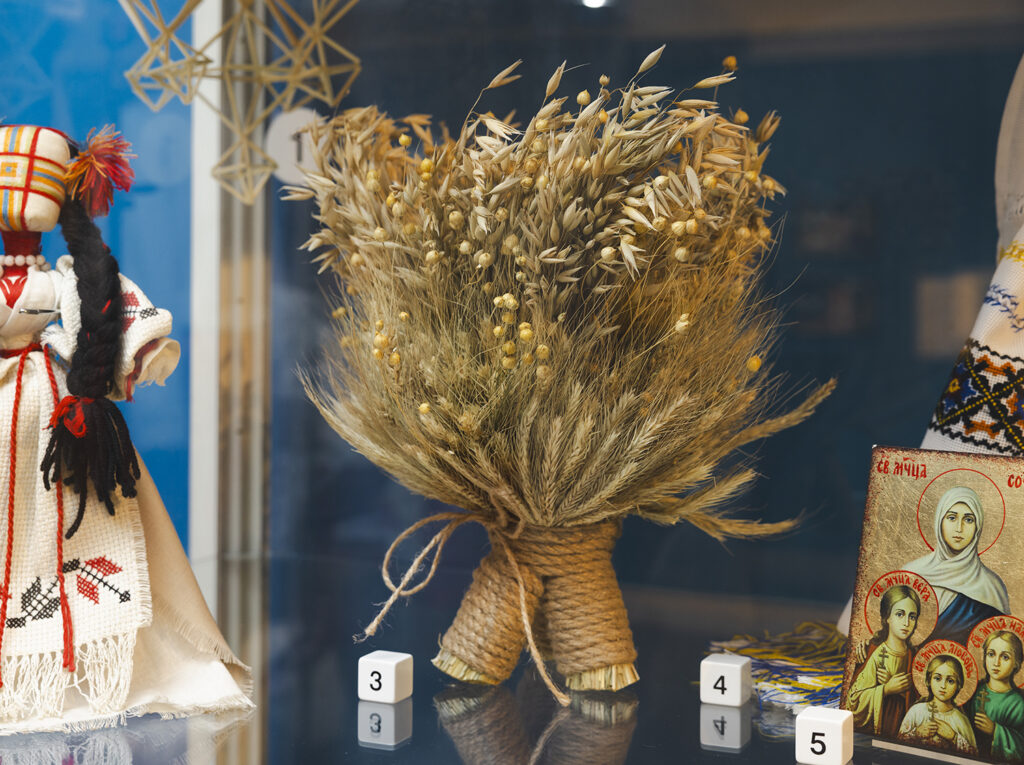
A bundle of wheat called a didukh is placed in the home to honour ancestors and Ukraine’s farming history. Families sing kolyadky, traditional carols. Groups of carollers sometimes visit homes, spreading good wishes, led by a poinsettia star.
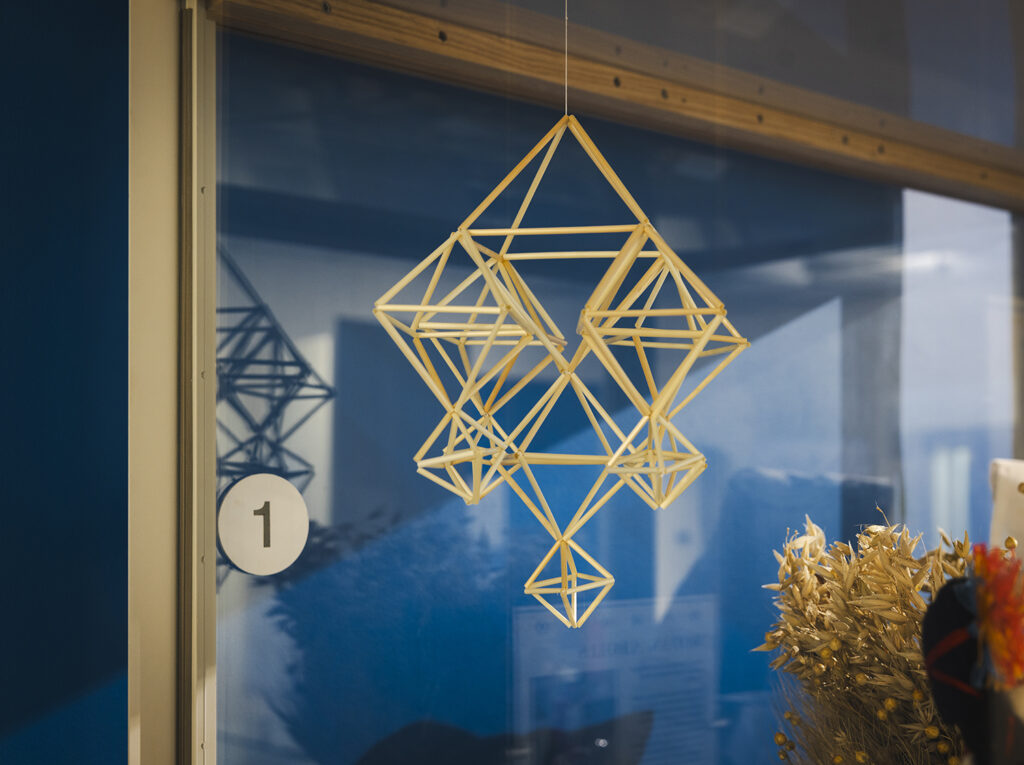
Small gifts are given to children at Christmas by a kind and generous figure called Svyatyi Mykolai, or St Nicholas. He is seen as a protector of children and a symbol of charity.
Food
Ukrainian cuisine is built on the rich and fertile soil of the region called chernozem. It makes the country one of the breadbaskets of the world. Dishes are often based on nourishing staple vegetables and filling grains to cope with harsh winters.
Early Slavic farming communities laid the foundations. The Kyivan Rus traveling through the Dnipro River brought new preservation techniques. Ashkenazi Jewish communities developed long stewing techniques, creating dishes like cholent stew. In Southern and Eastern Ukraine, interaction with the Crimean Tatars and the Ottoman world introduced different aromatic spices.
- Borscht: beetroot-based soup, served with sour cream. Recipes are passed down through generations, and everyone’s recipe is slightly different. In 2022, borscht was placed on the UNESCO intangible cultural heritage list. Often served with Pampushky, small garlic and dill bread buns.
- Kholodets: savoury jelly of meat stock and gelatine, served cold.
- Medovukha: an alcoholic drink made with honey, originally made by the Kyvian Rus.
- Varenyky: dough dumplings, filled with potato, cabbage or curd cheese, topped with fried onions and served with sour cream. Can also be filled with cherries or bilberries to be sweet.
- Kulish: millet pottage, with salo (salted or smoked pork fat), potatoes, carrots and onions. A traditional Zaporozhian Cossack dish.
- Uzvar: drink made with brewed cherries, pears, apples, apricots, prunes, dates and honey. Part of 12 dishes served on Christmas Eve in Ukrainian households.
- Holubtsi: Rice and meat filled cabbage rolls. Lightly fried and stewed in a tomato, sour cream or mushroom sauce.
- Chicken Kyiv: Breaded and fried chicken often filled with garlic butter, popular in many post-soviet countries.
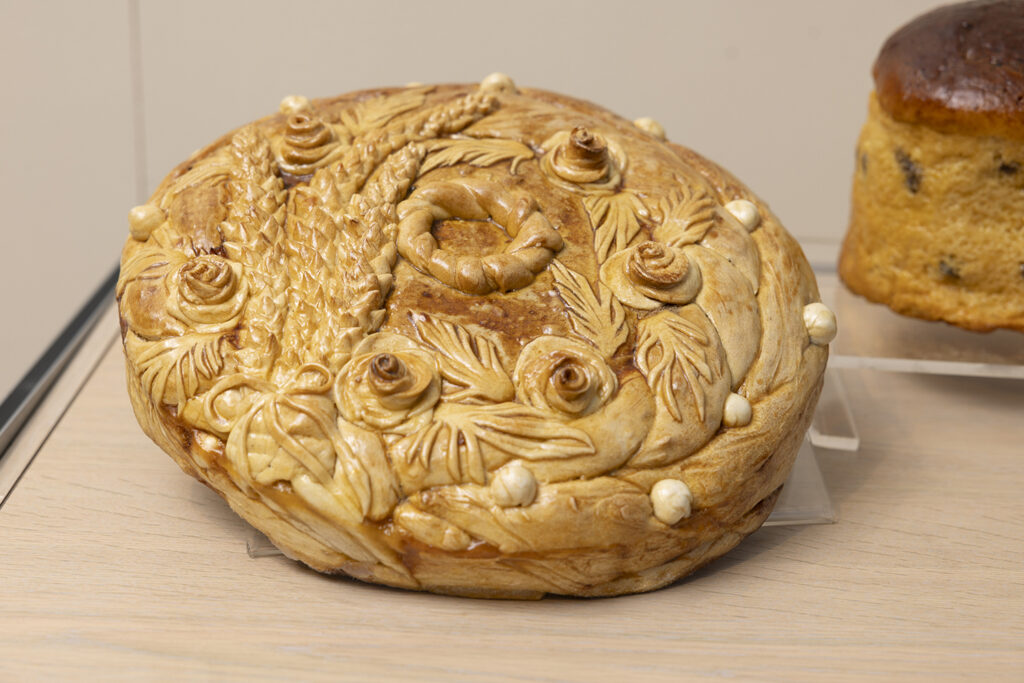
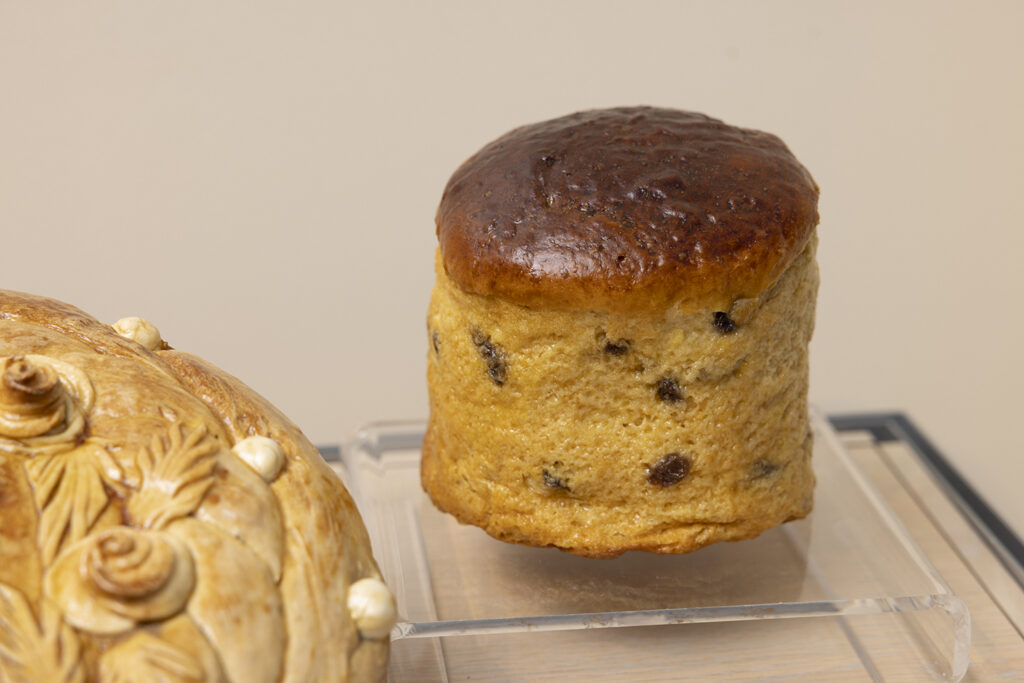
Bread and Salt
Bread and salt are central to Ukrainian hospitality and rites of passage.
Bread is a long-lasting staple food, made from the wheat which grows in the fertile soils of Ukraine.
Salt has been highly prized throughout history for preservation and cleansing. Offerings of bread and salt on a rushnykembroidered cloth welcome guests to houses and are gifts to newly married couples.
Breads vary depending on occasion, from the hearth baked palianytsia, to the highly decorated and symbolic korovai, which is baked for weddings and gifted to politicians.
Literature and Language
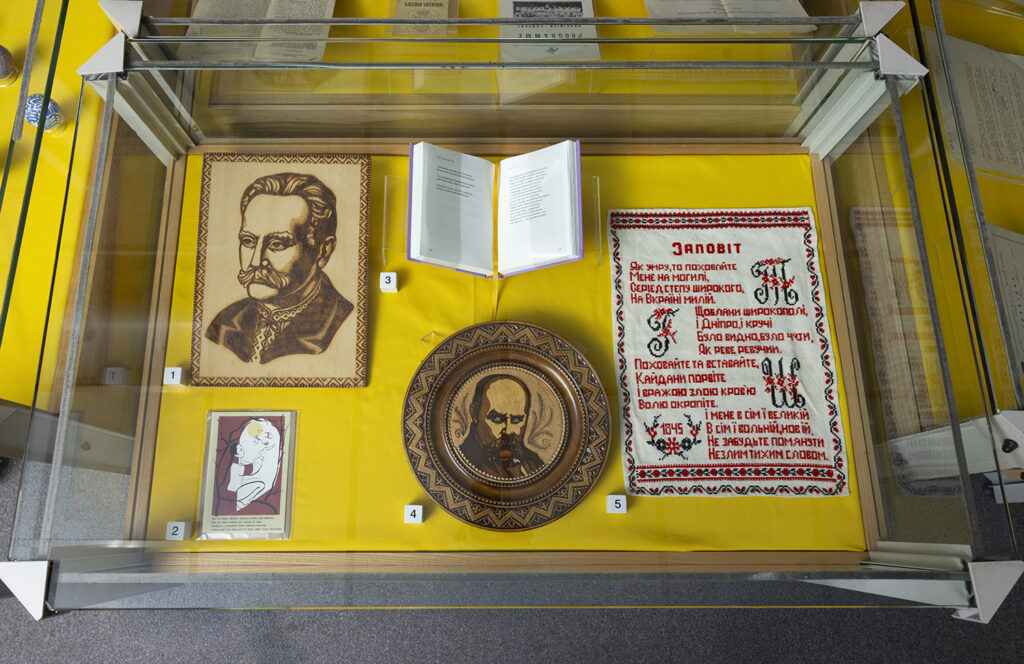
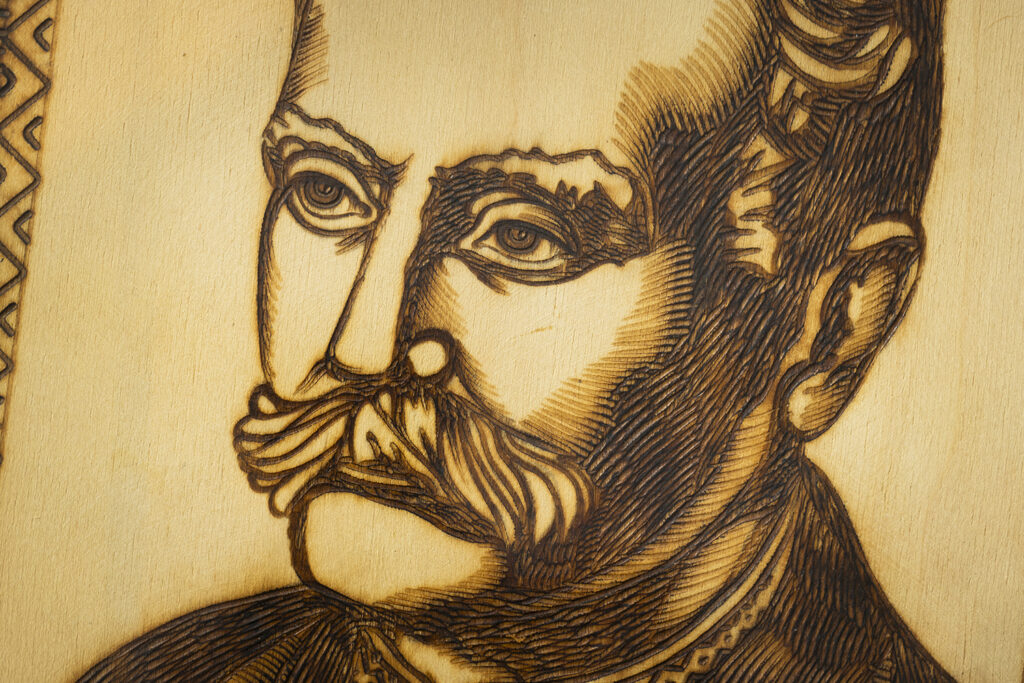
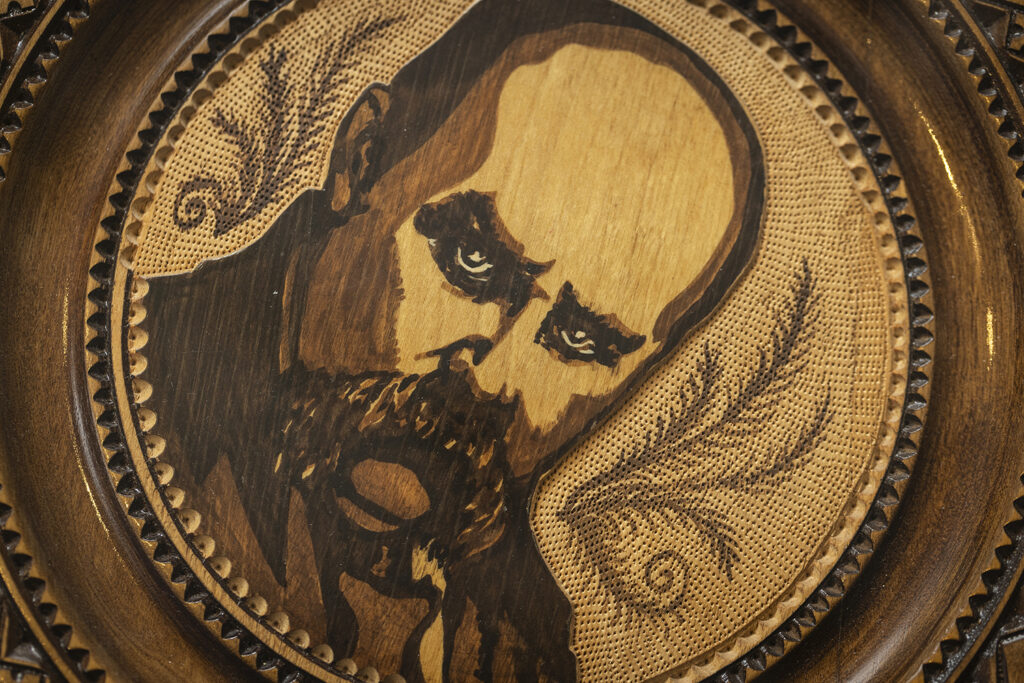
The exhibition working group designed the whole exhibition to be dual language. Aware that the Museum’s audience may not be familiar with Ukrainian, the working group saw this as an opportunity for cultural exchange.
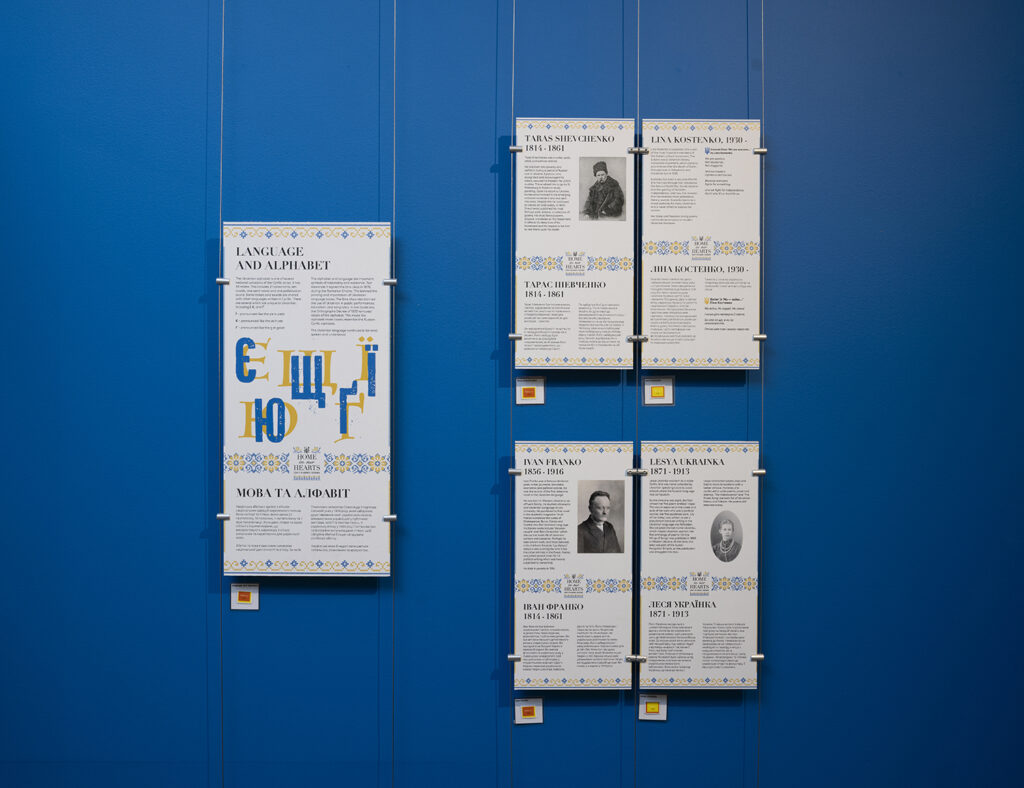
The Ukrainian alphabet is one of several national variations of the Cyrillic script. It has 33 letters. This includes 21 consonants, ten vowels, one semi-vowel and one palletisation sound. Some letters and sounds are shared with other languages written in Cyrillic. There are several which are unique to Ukrainian, including Ї, Є, and Ґ.
The alphabet and language are important symbols of nationality and resistance. Tsar Alexander II signed the Ems Ukaz in 1876, during the Romanov Empire. This banned the printing and importation of Ukrainian-language books. The Ems Ukaz also banned the use of Ukrainian in public performances, education, and song lyrics. In the Soviet era, the Orthography Decree of 1933 removed letters of the alphabet. This made the alphabet more closely resemble the Russian Cyrillic alphabet.
The Ukrainian language continues to be read, spoken and understood.
Exhibition Planning and Installation
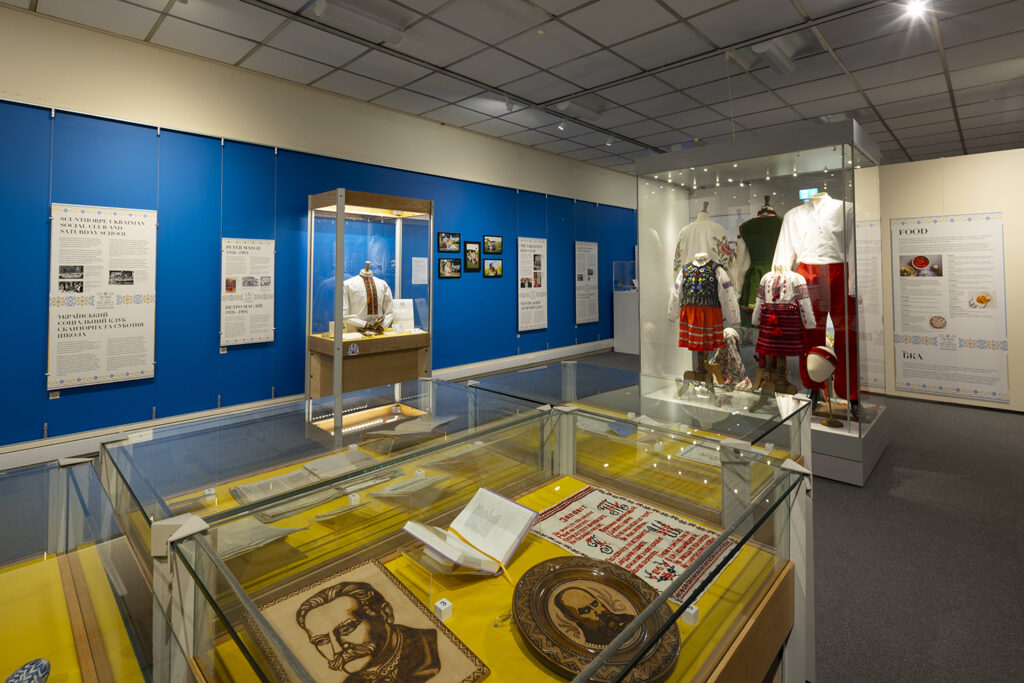
The Home in Our Hearts exhibition contains a plethora of different stories and themes. The exhibition working group wanted to show stories and objects to their full potential but didn’t feel overwhelming to viewers. We worked together to create different narrative sections to the exhibition. These were:
- An introduction to Ukraine.
- Ukrainian history in North Lincolnshire.
- Arts and Crafts.
- Festivals and events.
- Food.
- Language and literature.
We worked together to place sections in a way which would feel cohesive and cyclical within the main gallery at North Lincolnshire Museum.
Volunteers helped with the installation of the exhibition. Hala, one of the exhibitions working group, created a display of pysanky eggs which had been created by the Ukrainian Kids club. As part of this process, Hala learnt how to use museum wax to safely secure objects into place.
St Lawrence Academy students who joined North Lincolnshire Museum for work experience, learnt how to use object mounts to display the preserved bread in the Food section of the exhibition. We were joined by a work placement from DFN Project Search, a programme which provides a structured supported internship programme designed to equip young adults with disabilities with the skills to go onto the workplace. Our DFN Project Search work placement assisted in the curation of the Arts and Crafts display case.
“I helped with putting objects in the cases and carefully handled objects… I also counted the number cubes and placed them in the case. I enjoyed this because it was something new that I learnt and had never done before.”
DFN Project Search Work placement student
Exhibition Launch
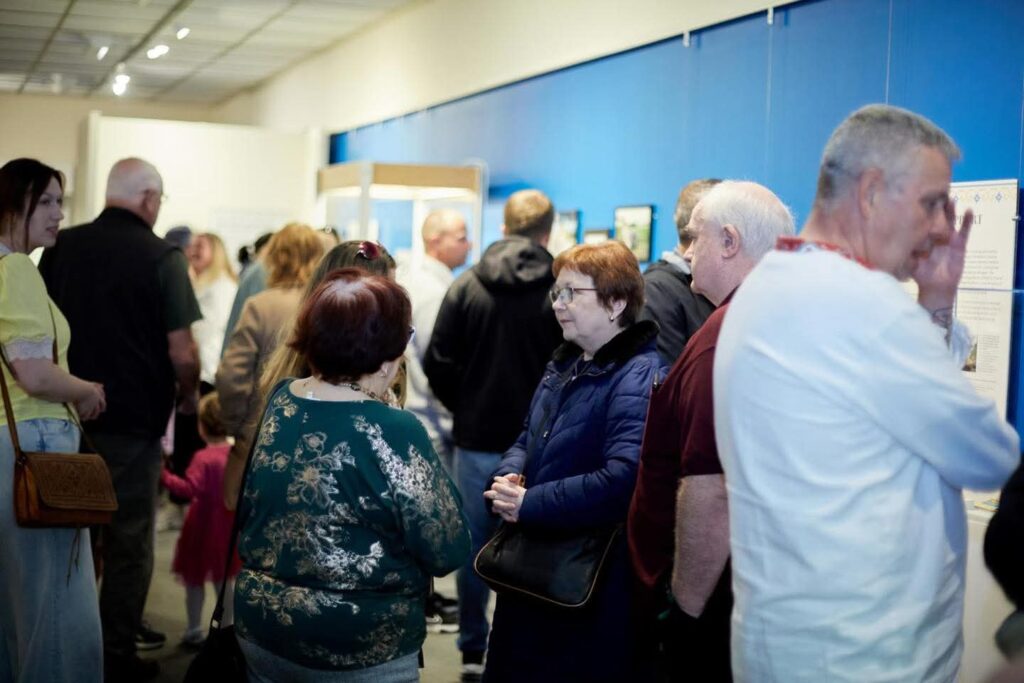
Home in Our Hearts Launch on the 16 May 2026 – and it was a launch to be remembered.
“t’s a brilliant exhibition, full of fascinating costumes memorabilia and insights into Ukrainian culture. A memorable day.”
Stuart James, Opening Day Attendee
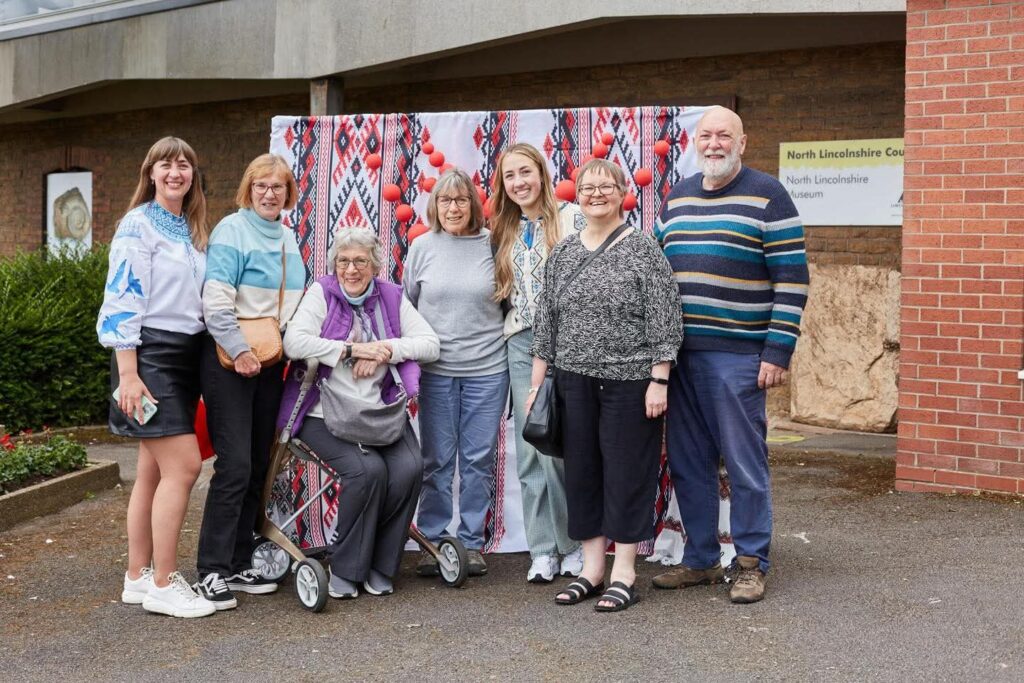
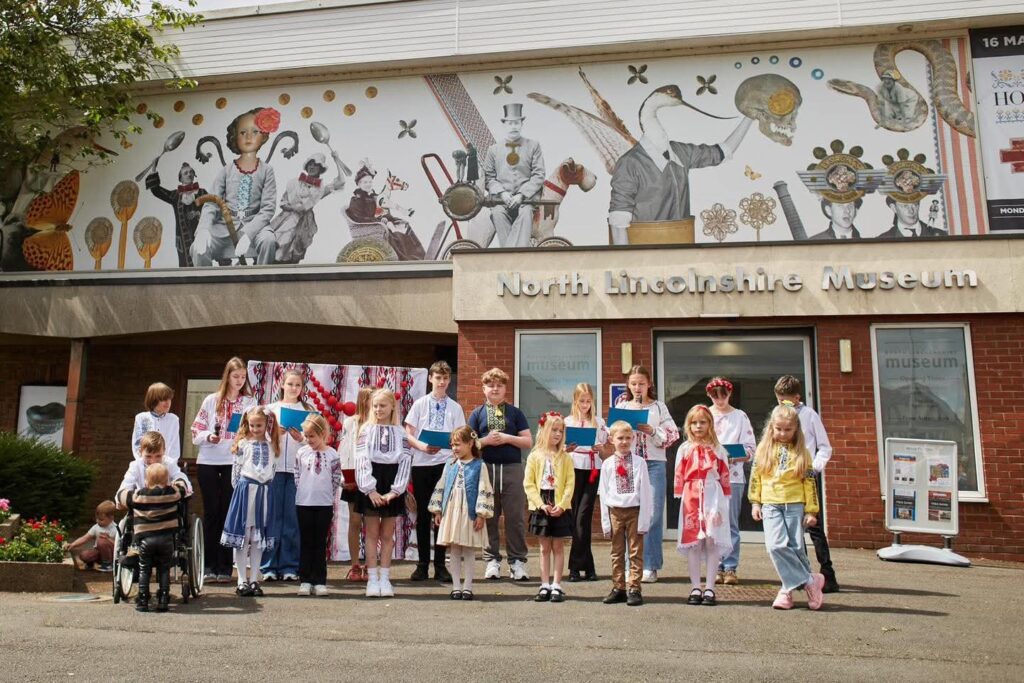
North Lincolnshire Museum partnered with the Ukrainian Kids Club and charity North Lincolnshire for Ukraine to deliver a community launch event. The day began with an official opening ceremony, directed by one of our exhibitions working group and a ribbon cutting.
Through the day children from the Ukrainian Kids Club sang songs, recited poetry and invited people to join them in traditional spring dances.
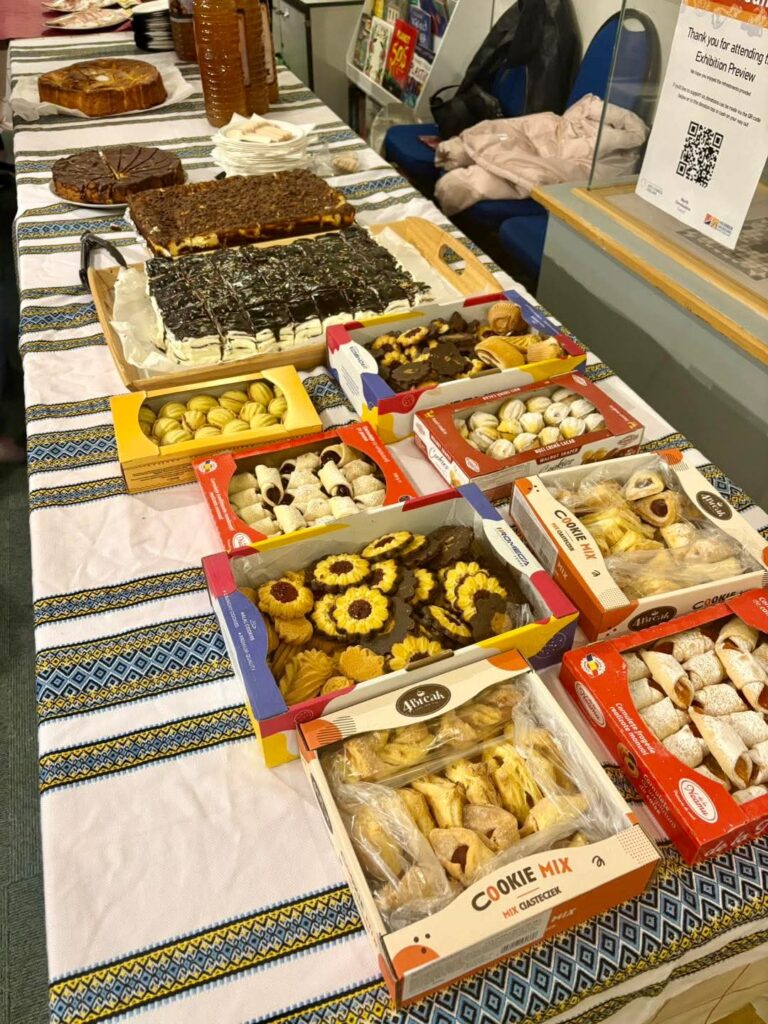
North Lincolnshire for Ukraine provided a buffet of traditional Ukrainian foods, including varenyky, kholodets, salo and a korovai.
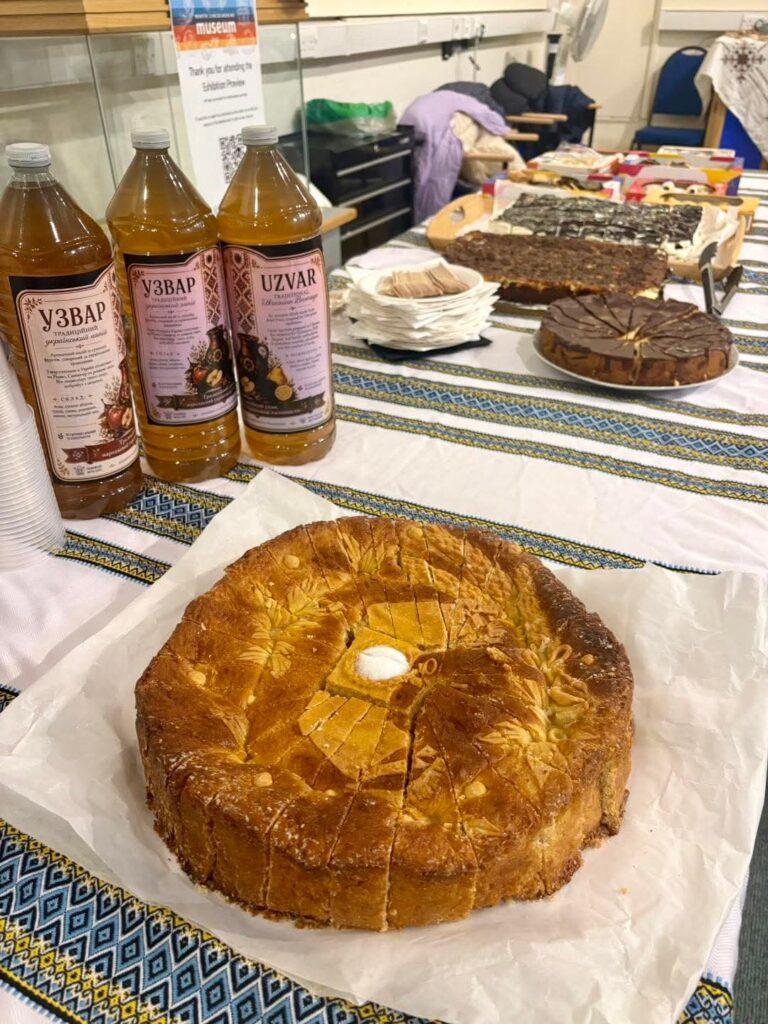
The event was attended by over 220 people and was a wonderful celebration of Ukrainian community and heritage in North Lincolnshire.
More to Explore
Home in Our Hearts – Дім у наших серцях: The Exhibition Part 1
On-line exhibition showcasing the Home in Our Hearts exhibition which celebrated 80 years of the Ukrainian community in North Lincolnshire. This article focuses on the history of Ukrainians in North Lincolnshire.
Read the story
Home in Our Hearts – Дім у наших серцях -The Film
Discover the story of the Home in Our Hearts exhibition through a short film.
Watch the film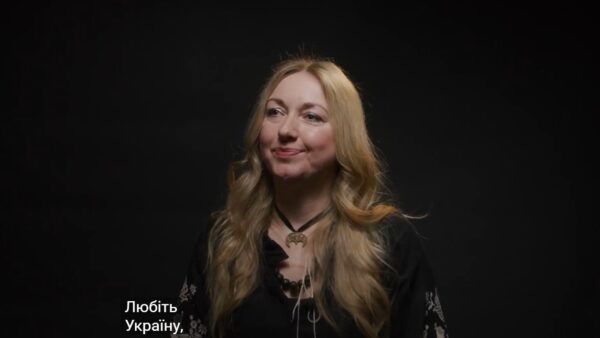
Ukrainian Poetry
Svitlana, a member of the Home in Our Hearts exhibition working group, recites a selection of Ukrainian poems.
Watch the films